In the growing push for clean energy, many Oro Valley residents are considering solar power as a way to reduce their carbon footprint and utility bills. However, a crucial question arises: should you replace your roof before going solar? This is a critical decision that impacts not only your solar system's efficiency but also your home's long-term value and energy savings. The problem lies in the complex interaction between a solar roof layout and orientation, the age and condition of your existing roof, and the overall structural integrity of your home. By carefully evaluating these factors, you can ensure a seamless transition to solar power while optimizing your investment in your home's future.
- Evaluating Roof Condition for Solar Suitability
- Benefits of a New Roof Before Solar Installation
- Solar Roof Layout Considerations: Design and Orientation
- Step-by-Step Guide: Preparing Your Roof for Solar
Evaluating Roof Condition for Solar Suitability
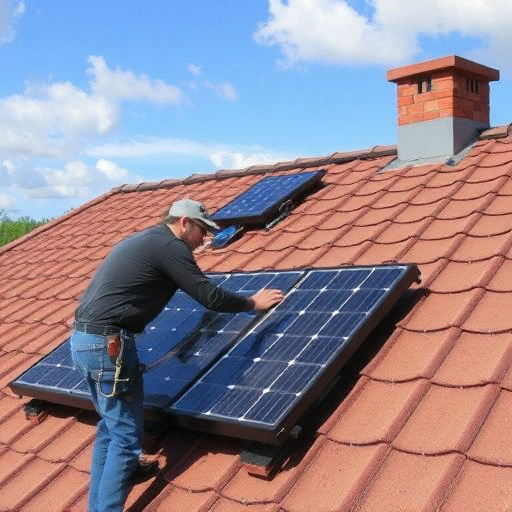
When considering a solar installation, evaluating your roof's condition is a crucial first step. The suitability of your existing roof for solar panels depends on various factors, from the age and material of your shingles to the structural integrity of your roof deck. This assessment is essential to ensure a successful solar transition and maximize the performance of your solar system.
A roofer with an Arizona ROC license can provide valuable insights into your roof's condition. They will assess the overall health of your roof, looking for signs of wear and tear, such as cracked or missing tiles, leaks, or weak underlayment. Older roofs with asphalt shingles may require more frequent repairs and could benefit from a full replacement before installing solar panels. This is because solar panels need a robust, leak-free foundation to ensure the longevity of the system and prevent costly damage. In Oro Valley, where extreme weather conditions, including hail, are not uncommon, it's particularly important to evaluate the roof's ability to withstand these elements.
If your roof is in good condition, with minimal damage and a solid structure, solar mounts can be securely installed without major concerns. However, if panel removal is necessary due to roof repairs or replacement, it's crucial to consider the additional costs and time involved. Removing and reinstalling solar panels during a roof replacement can extend the overall project timeline and add to the expenses. Proper planning, including a solar roof layout and orientation, can help mitigate these issues. By assessing the condition of your roof and working with a professional, you can make an informed decision, ensuring a smooth transition to clean energy while maintaining the integrity of your home's protective barrier.
Benefits of a New Roof Before Solar Installation
When considering a solar installation, a new roof can significantly enhance the overall efficiency and longevity of your system. A fresh roof underlayment and conduit provide an ideal foundation for solar panels, allowing for optimal performance and easier installation. A licensed Oro Valley area roofing contractor can ensure your roof is in top condition, addressing any issues that might impact the solar setup.
In Sun City Oro Valley, the solar roof layout and orientation play a crucial role in energy generation. A new roof allows for strategic placement of panels, maximizing sunlight exposure. A new roof can protect against potential leaks after solar installations, ensuring your home remains weather-tight. Regular maintenance around solar panels is also easier, as a clean and secure roof environment prevents obstructions and debris from reducing panel efficiency.
The benefits extend beyond energy production. A modern roof can offer better insulation, reducing heat transfer under the panels and improving overall energy efficiency. Many roofing materials provide superior hail and wind protection, safeguarding your investment in both the roof and solar system. When combined with cool roof coatings, you can further enhance energy savings and extend the life of your roof, even in our area's hot climate. This is especially important when planning for long-term savings and environmental sustainability.
Solar Roof Layout Considerations: Design and Orientation
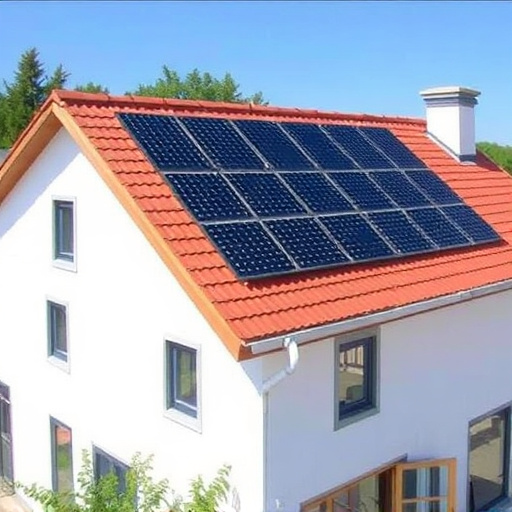
When planning to go solar, the solar roof layout and orientation play a crucial role in ensuring optimal energy production and system performance. As a licensed Oro Valley area roofing contractor, we've seen many homeowners considering their options. The design and orientation of your roof can significantly impact the efficiency of your solar panels.
First, let's discuss the underlayment. A strong, durable underlayment is essential to protect your roof and solar system from the elements. When planning for solar, consider using a high-quality underlayment that provides extra protection against leaks, especially in areas prone to extreme weather conditions. Critter guards should be installed under the panels to prevent birds, squirrels, or other animals from nesting and blocking sunlight. Many homeowners in Oro Valley have found that this simple addition has saved them from costly repairs and system malfunctions.
The orientation of your roof is another critical factor. Solar panels are most efficient when facing south (in the Northern Hemisphere) or north (in the Southern Hemisphere). However, it's important to check your local building codes and HOA rules. Some communities have guidelines regarding solar panel placement, such as allowing for adequate shade-free areas. East- and west-facing roofs can still be viable options, depending on your location and the time of day when sunlight is most beneficial. It's crucial to work with a roofing contractor who understands these considerations to ensure your solar system is designed efficiently and in compliance with local regulations.
Lastly, consider the age and condition of your roof. If your roof is old or showing signs of wear, it may be more cost-effective to replace it before installing solar. A new roof provides a clean slate, allowing for better system integration and longer-lasting performance. In some cases, homeowners opt for a leased solar system, which can be paired with a new roof to spread out the costs. This approach offers flexibility and can be a smart financial decision for Oro Valley residents looking to go solar.
Step-by-Step Guide: Preparing Your Roof for Solar
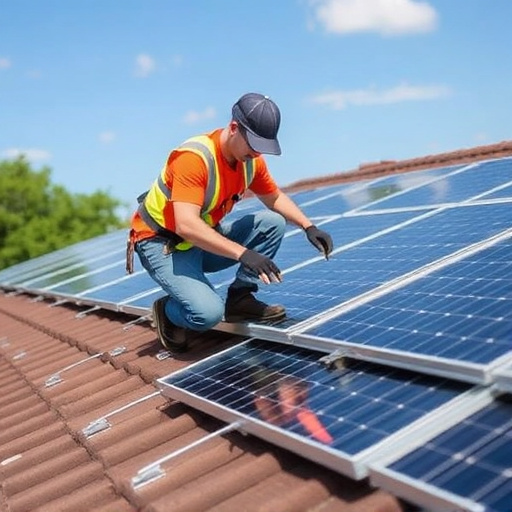
Preparing your roof for solar is a crucial step in your transition to clean energy. Before installing solar panels, you'll want to ensure your roof is in optimal condition to support the system. This process involves a thorough assessment of your roof's current state, addressing any issues, and planning the best layout for your solar panels. Here's a step-by-step guide to help you navigate this preparation:
Assess Your Roof Structure: Begin by evaluating your roof's age, material, and overall condition. Older roofs may require more extensive repairs, while foam roofs offer excellent insulation and can save on cooling costs. If you're unsure about your roof's suitability, consult with a roofer with an Arizona ROC license. They can provide expert advice tailored to your Oro Valley roof. Check for any signs of damage, leaks, or missing shingles, as these could impact the long-term performance of your solar system.
Plan the Solar Layout: The solar roof layout and orientation are critical for maximizing energy production. Consider your roof's shape, size, and direction. South-facing roofs in Oro Valley typically receive the most sunlight, making them ideal for solar panels. However, east and west-facing roofs can still generate significant energy, depending on the panel layout around vents and other roof penetrations. Ensure your solar installer considers these factors when designing the system to optimize energy capture.
Address Roof Penetrations and HOA: Solar installations may require penetrations into the roof for mounting hardware and wiring. Check your home's plans or consult a roofer to identify these points. Ensure they are properly sealed and flashings are in place to prevent leaks. Be aware of your community's Homeowners Association (HOA) rules regarding solar installations. Some HOAs have specific guidelines or restrictions, so review these to ensure your project complies.
Repair and Replace as Needed: If your roof requires repairs or replacement, factor this into your timeline. Addressing these issues before installing solar ensures a more efficient and cost-effective process. Repairing or replacing cracked tiles under panels can prevent future damage and water intrusion. A roofer can assist with these tasks, ensuring your roof is in top condition for solar.
Frequently Asked Questions About advice on whether to replace a roof before going solar
What is the ideal timing for installing solar panels?
The best time to install solar panels is when your roof is in good condition and you have a clear understanding of your energy needs. While there's no one-size-fits-all answer, many homeowners opt for solar when their roof is relatively new (less than 10 years old) or when they're planning a renovation that includes roof replacement. This ensures a longer lifespan for your solar system and minimizes additional costs.
Will my old roof void the warranty on my new solar panels?
Absolutely not. A licensed Oro Valley area roofing contractor like DC Roofing of Arizona can assess your existing roof and ensure it meets the requirements for solar installation. If your roof needs replacement, they can install a new one, ensuring it's compatible with your solar system. Proper roof preparation is crucial to prevent damage and maintain the integrity of your solar panels.
Are there any red flags that might indicate I need to replace my roof first?
Look out for signs of severe wear, leaks, missing shingles, or damage from storms or trees. If your roof is beyond repair or nearing the end of its life, replacing it before solar installation is recommended. A leaky roof can cause damage to your solar panels over time, so addressing roof issues first is essential for long-term performance.
How long does a roof replacement take and how might it affect my solar installation?
Roof replacement projects usually take one to two days, depending on the size and complexity. When planning solar installation alongside a roof replacement, allow for extra time in your schedule. A licensed contractor can coordinate both projects, ensuring a seamless transition. The key is effective project management to minimize disruptions.
Can I save money by combining roof replacement and solar installation?
Absolutely. Combining these projects can lead to significant savings. Many contractors offer package deals, and streamlining the process reduces labor costs. Plus, a new roof under your solar panels extends their lifespan, potentially lowering long-term maintenance expenses. It's a strategic move that can pay off in both energy savings and reduced contractor fees.
What if I'm unsure about the condition of my roof? What should I do?
It's always wise to get a professional opinion. A roofing specialist can conduct a thorough inspection, providing insights into your roof's condition and longevity. They can also advise on the best course of action, whether it's immediate replacement, repair, or simply adding solar panels on the existing roof. This expert guidance ensures you make an informed decision.
When considering whether to replace your roof before going solar, you gain significant advantages from evaluating both your roof's condition and the solar layout and orientation. A new roof enhances your solar system's efficiency and longevity, protecting your investment in clean energy. Understanding the optimal solar roof layout and orientation can maximize energy production, especially when your roof faces east or west. Proper preparation, including addressing leaks, ensuring adequate roof access, and considering the age and load of your roof, is crucial. Following these steps and leveraging the expertise of roofing professionals who work with solar systems, you can seamlessly integrate solar into your Oro Valley home, contributing to both environmental sustainability and property value while ensuring a robust and efficient solar installation.
When going solar, evaluate your roof:
- Roof Condition: Check for age, material, damage, and structural integrity. An Arizona ROC-licensed roofer can help.
- Solar Layout: Plan for optimal energy capture based on roof shape, direction, and size. Consider east/west-facing roofs.
- Penetrations & HOA: Identify and seal roof penetrations. Check HOA rules regarding solar installations.
- Repairs & Replacement: Address roof issues before solar. A new roof can enhance efficiency and extend system life.
- Expert Guidance: Collaborate with a roofing specialist and solar installer for informed decisions and a successful transition to clean energy.