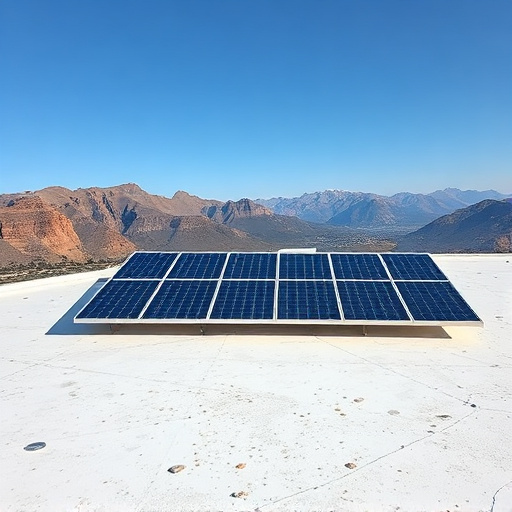
In the growing transition to clean energy, many Oro Valley residents are considering solar power for their homes. However, a crucial question arises: should you replace your roof before going solar? This decision can impact both the lifespan of your solar system and your home's overall value. The problem lies in the fact that solar installations require a certain level of roof access and integrity. Working with a roofer who specializes in solar can be a major improvement here, ensuring your roof is prepped for solar panels while also meeting your aesthetic and structural needs. This article provides a practical guide to help you navigate this decision, exploring the benefits of a new roof, solar-ready roof modifications, and the expertise of local roofers who work with solar.
- Evaluating Roof Condition for Solar Integration
- Benefits of Replacing Before Solar Installation
- Choosing the Right Roofer for Solar Projects
- Optimal Solar Performance After Roof Replacement
Evaluating Roof Condition for Solar Integration
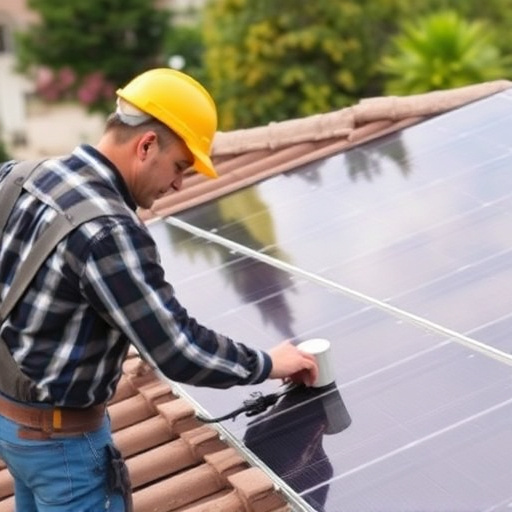
When considering solar installation, evaluating your roof's condition is a critical step, especially when deciding whether to replace it before going solar. This process is crucial for ensuring a seamless integration of solar panels and maintaining the structural integrity of your home. A roofing contractor serving Oro Valley and Marana will tell you that a thorough assessment can prevent costly mistakes and maximize the benefits of your solar system.
The initial step involves inspecting the roof's overall health and age. Older roofs may require replacement to accommodate the additional load of solar panels. Solar systems can add significant weight to your roof, and certain types of roofing materials, like asphalt shingles, have specific weight capacities. Experts recommend replacing roofs that are more than 15-20 years old or show signs of deterioration, such as cracked tiles or damaged underlayment. Consider the roof's standoffs-the spaces between the roof deck and solar panels-which should be adequately designed to manage wind and snow loads.
Another critical aspect is managing wildlife, particularly pigeons, that might have made your roof their home. These birds can cause significant damage to solar panels by dropping feces, which can lead to energy inefficiencies and panel malfunctioning. Proper ventilation and critter guards under the panels can help mitigate this issue. Roofers who work with solar installations understand the importance of a watertight seal around the edges of solar panels to prevent leaks, especially if your roof is flat or has a low slope. This is where experience matters; a skilled roofer will know how to secure solar panels while ensuring the roof's longevity.
In some cases, leased solar systems can be a viable option if your roof is beyond repair but you still wish to go solar. Leased systems allow you to enjoy the benefits of clean energy without the upfront cost of a new roof. However, if your roof is in good condition, it might be more cost-effective to replace it with a high-quality roofing material that offers superior solar compatibility, ensuring your home stays protected for years to come.
Benefits of Replacing Before Solar Installation
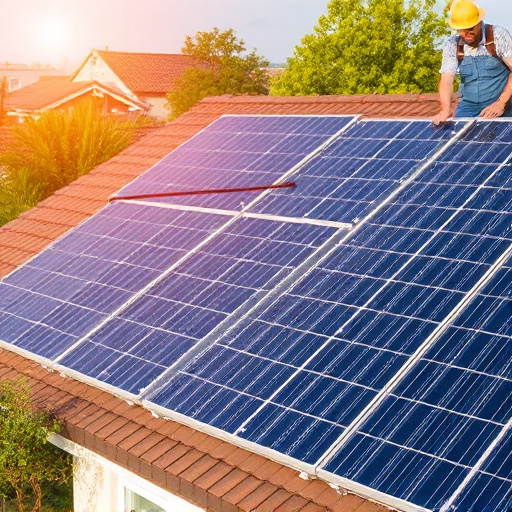
When considering a solar installation, many Oro Valley residents wonder if they should replace their roof first. While it might seem like an extra expense, replacing your roof before solar has several compelling benefits that can contribute to a longer-lasting, more efficient, and more cost-effective solar system.
One of the primary advantages is the reduction of load on your roof. Solar arrays add weight, and a weak or old roof structure might not be able to support the additional load. Installing solar on a roof that's nearing the end of its lifespan can lead to structural issues, leaks, and even damage to your solar panels. A local roofing company serving Oro Valley can assess your roof's condition and determine if replacement is necessary. By replacing your roof before solar, you ensure that your system is installed on a solid foundation, which is crucial for optimal performance and safety.
A new roof provides better protection against the harsh desert heat and potential hailstorms, both of which can negatively impact solar panels. Hail can cause significant damage to solar shingles or panels, while high temperatures can reduce their efficiency. By replacing your roof, you create a more suitable environment for your solar system to thrive. If you're considering net billing or leasing your solar system, a new roof can help you avoid unexpected repairs or replacements down the line. A well-prepared roof can extend the life of your solar panels, ensuring they function at their best for years to come.
Choosing the Right Roofer for Solar Projects
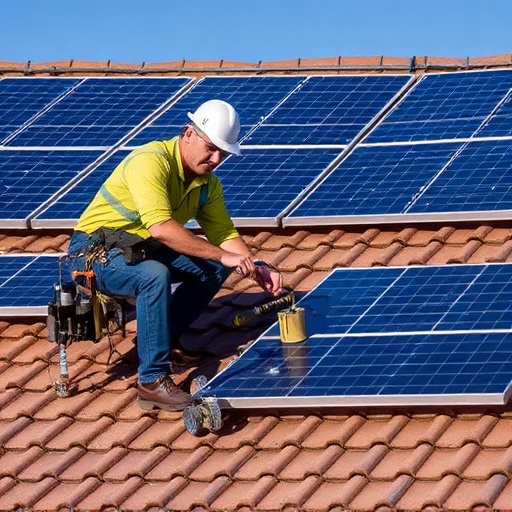
When considering whether to replace your roof before going solar, selecting the right roofing contractor is a crucial step. An experienced Oro Valley roof specialist can provide valuable insights into the compatibility of your existing roof with solar installations. Many roofing professionals who work with solar are well-versed in the unique challenges and benefits of combining these systems. They understand the impact of UV exposure on both roofing materials and solar panels, as well as the structural considerations related to roof load.
One of the first things a roof specialist will assess is the age and condition of your current roof. If your roof is nearing the end of its life expectancy, replacing it before installing solar panels can offer several advantages. An old or damaged roof may not provide the necessary support for the additional weight of solar panels, and leaks could compromise the integrity of your solar system. Removing solar panels for roof repairs or replacement can be more complicated and time-consuming than with a standard roof. Therefore, a fresh, secure underlayment is often preferable.
Roofing contractors who specialize in solar projects are adept at planning the layout of panels, considering factors like roof access, panel orientation, and ventilation. Proper ventilation is essential for maintaining the lifespan of both your roof and your solar system. A specialist can ensure that panels are installed with adequate clearance around vents, avoiding potential issues like roof heat buildup under the panels. They can also provide guidance on the best panel layout for your specific roof, taking into account east and west-facing sections, which receive varying amounts of sunlight throughout the day.
Optimal Solar Performance After Roof Replacement
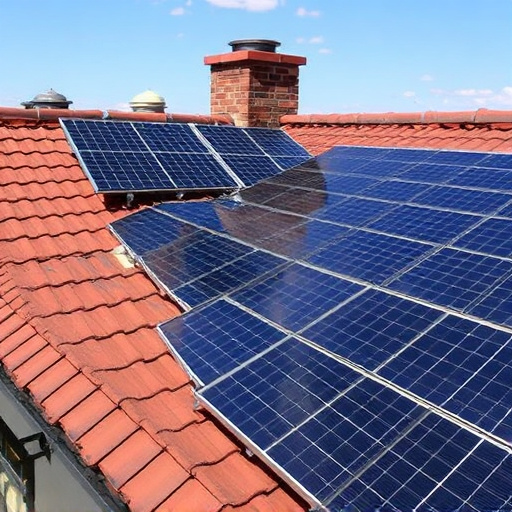
When considering a new solar system, many homeowners in the desert heat of Rancho Vistoso ask: "Should I replace my roof first?" It's a smart question, as both roof replacement and solar installation significantly impact your home's value and long-term energy savings. A key factor in this decision is understanding how a new roof can enhance-or hinder-the performance of your solar panels.
A fresh, durable roof is ideal for optimal solar performance. It provides the structural integrity needed to support the weight of solar panels and their mounting systems. However, existing roofs, especially older ones, can present challenges. Aged shingles might not offer adequate protection against the harsh conditions of the local climate, potentially leading to energy inefficiencies. Leaks or damaged areas can also negatively impact the performance of your solar system. Imagine sunlight being blocked or reflected due to a recently discovered roof leak!
Therefore, when considering solar, a thorough roof inspection is crucial. A roofer with an Arizona ROC license can assess your roof's condition, taking into account factors like age, material, and local weather patterns. If repairs or replacements are needed, planning these projects alongside your solar installation can be highly beneficial. If your roof needs a full replacement, it's best to install your solar panels afterward. This way, your new roof can provide maximum protection for the solar system, ensuring the panels are shielded from potential damage, especially from hail, a common concern in this region.
In some cases, a simple repair might suffice. Patching leaks or replacing cracked tiles can extend the life of your current roof, saving you the cost and disruption of a full replacement. However, it's essential to ensure that any repairs meet local building codes and regulations, especially when considering solar. Proper flashing and conduit installation are critical when mounting solar panels, ensuring both system longevity and avoiding future leaks. By working with a roofing professional familiar with solar systems, you can achieve a seamless integration of your roof and solar installation, leading to clean, efficient energy production for years to come.
Frequently Asked Questions About advice on whether to replace a roof before going solar
What is the ideal age for a roof when considering solar panel installation?
The optimal age for installing solar panels is when your roof is relatively new, ideally less than 15 years old. Older roofs may require replacement before solar installation due to damage or deteriorated underlayment, which is crucial for solar system performance and longevity. In the desert heat, UV exposure accelerates aging, so even newer roofs may need assessment for potential issues.
Will solar panels void my roof warranty?
Some roof manufacturers may have specific clauses regarding solar installations, but generally, installing solar panels does not void your roof warranty. Ensure your contractor is familiar with warranty guidelines to avoid any complications. Proper installation techniques, like using compatible underlayments and flashing, can help maintain warranty eligibility.
How does a solar installation affect the structural integrity of my roof?
Solar panels are designed to be lightweight, and when installed correctly, they exert minimal stress on your roof structure. However, a significant number of panels or additional equipment like batteries can add weight. A qualified solar contractor will assess your roof's load-bearing capacity and ensure the installation meets structural requirements, especially in extreme weather conditions.
Should I replace missing or damaged shingles before solar panel installation?
Absolutely. Replacing missing or damaged shingles is essential for a secure and effective solar installation. Shingles protect your underlayment and roof deck from the elements, ensuring the longevity of your solar system. A roofing professional can assess and repair your roof, ensuring it's in optimal condition before adding solar panels.
Can I save money by replacing my roof and installing solar panels together?
Combining roof replacement and solar installation can offer significant cost savings. Bundling these projects allows you to negotiate discounted rates with contractors. A new roof provides an ideal surface for solar panels, improving efficiency and potentially increasing your home's value. DC Roofing of Arizona, a local Oro Valley contractor, often offers package deals for these services.
How does a new roof impact my solar panel output?
A new roof, especially with reflective underlayment, can enhance solar panel performance. Properly installed panels benefit from optimal sunlight absorption, leading to higher energy production. In desert heat, reflective underlayment can reduce roof temperatures, improving panel efficiency and potentially extending the lifespan of both your roof and solar system.
When considering solar installation, assessing your roof's condition is paramount. Replacing an old or damaged roof before solar integration offers significant benefits, including improved energy efficiency and longer-lasting solar panels. A new roof ensures optimal performance and minimizes future disruptions, saving you money in the long run.
Choosing the right roofing professional is crucial. Look for roofers who work with solar, ensuring they understand the specific requirements of solar installations. They can provide expert advice on the best layout for panels, considering roof access, vent placement, and even the orientation for maximum sunlight exposure.
After a successful roof replacement, your solar system will benefit from a solid, protective underlayment, enhancing the roof's life span and reducing the risk of leaks. This integrated approach, combining solar with a new roof, is a win-win strategy for Oro Valley residents, ensuring clean energy, environmental sustainability, and potentially increasing property value.
Next steps? Schedule a free consultation with a local expert, discuss your options, and plan a roof and solar solution that works best for you.
When considering solar, evaluating your roof's condition is crucial. Older roofs may require replacement to support solar panels' weight. A local roofer can assess your roof's age, material, and local weather impact, guiding repairs or replacements needed before solar installation. This ensures structural integrity, protects panels, and optimizes energy production. A new roof can enhance solar performance, protect against damage, and extend both roof and system lifespans. By working with roofers who specialize in solar, you achieve seamless integration, ensuring your home's energy efficiency and roof integrity for years to come.