In today's rapidly evolving energy landscape, the transition to solar power is not just an environmentally conscious choice but a strategic investment for homeowners in "prep before solar" areas like Oro Valley. As more residents embrace clean energy solutions, the unique challenges of installing solar panels on popular roofing materials like concrete tiles and foam roofs come to the forefront. This article examines the intricacies of mounting solar panels on these surfaces, addressing the key considerations, from the impact of the roof load for solar arrays to the practical steps involved in ensuring a secure and efficient installation. By exploring these complexities, we equip homeowners with the knowledge to make informed decisions about their solar journey.
- Assessing Roof Suitability for Solar Panels
- Understanding Roof Load Considerations
- Installing Solar Arrays on Concrete Tile
- Secure Mounting for Foam Roofs
Assessing Roof Suitability for Solar Panels
When considering a solar installation, assessing your roof's suitability is a crucial first step. In Oro Valley, where various roofing materials are common, understanding how solar panels interact with concrete tile and foam roofs is essential. The structural integrity and unique characteristics of these roofing types play a significant role in determining the feasibility and optimal design of a solar array.
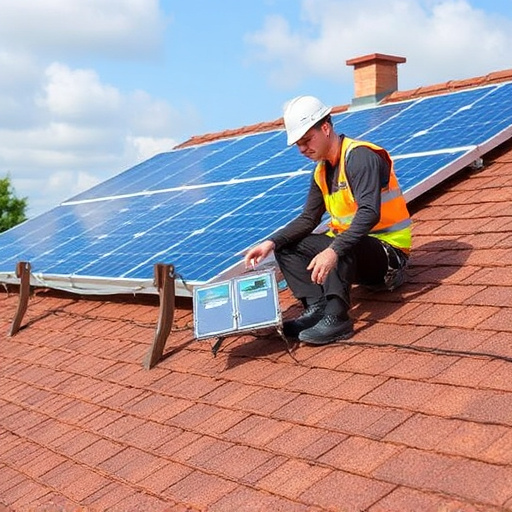
Concrete tile roofs, known for their durability, present a straightforward foundation for solar panels. However, the weight of the panels and the mounting system, known as roof load for solar arrays, should be considered. Proper evaluation ensures the roof structure can support the additional weight without compromising its strength. Standoffs, strategically placed supports, can be used to offload pressure, enhancing the overall stability of the solar array. This method is particularly beneficial for concrete tile roofs, ensuring the tiles' integrity and minimizing potential damage from UV exposure.
Foam roofs, popular for their energy efficiency, present a different set of considerations. These lightweight roofs require specific mounting techniques to manage the roof load for solar arrays. DC Roofing of Arizona, a local Oro Valley roof specialist, recommends utilizing flashing and specialized mounts designed for foam roofs. This approach guarantees a secure installation while protecting against potential leaks, especially in areas with significant UV exposure. By planning for these factors from the outset, homeowners can ensure their solar panels are installed safely and effectively, aligning with the long-term environmental and financial benefits of clean energy.
Understanding Roof Load Considerations
When considering solar panel installation on your Oro Valley roof, one crucial aspect to evaluate is the roof load for solar arrays. This is a critical factor that ensures your roof can safely support the weight of the panels and associated equipment, like standoffs and tile hooks. The last thing you want is to compromise the structural integrity of your home, especially with the added weight of a solar system.
Concrete tile and foam roofs, while popular in Oro Valley, require careful consideration. Concrete tiles, known for their durability, can handle a significant load, but the exact capacity depends on various factors, including the tile's design and thickness. Foam roofs, on the other hand, offer excellent insulation but may have different weight-bearing capabilities. A licensed Oro Valley area roofing contractor can provide expert advice on your roof's load-bearing capacity and recommend the best mounting solutions.
The roof load for solar arrays is determined by the size and weight of the panels, along with the required standoffs for proper drainage and ventilation. Standoffs are often used to lift the panels off the roof surface, reducing the load and preventing water damage. Tile hooks, specifically designed for concrete tile roofs, offer a secure and low-profile way to attach panels without causing damage. For foam roofs, specialized mounting systems may be needed, and a roofing professional can guide you on the most suitable options.
When planning for solar, consider the structural assessment of your roof. If your roof is older, it might require reinforcement to handle the additional load. Net billing, a popular incentive for solar adoption, can make the upfront investment more manageable, but it's essential to ensure your roof can support the system. If your roof is nearing the end of its life, it might be more cost-effective to replace it with a new, stronger roof before installing solar panels.
Installing Solar Arrays on Concrete Tile
Mounting solar panels on concrete tile roofs is a popular choice for homeowners in Oro Valley, especially during the monsoon season. These robust roofing materials offer a solid foundation for solar arrays, but careful consideration is needed to ensure the roof load for solar arrays is within safe limits. A local roofing company serving Oro Valley, DC Roofing of Arizona, emphasizes the importance of a thorough assessment before any installation.
The process begins with evaluating the structural integrity of the concrete tile roof. Unlike traditional shingled roofs, tile roofs require specific mounting methods. DC Roofing experts use specialized brackets designed to withstand the weight of the solar panels while protecting the tile from damage. Proper flashing is also crucial to prevent water intrusion, particularly around the edges where panels meet the roof. A licensed Oro Valley area roofing contractor might recommend a micro-screw system that fastens the panels directly to the roof decking, eliminating the need for extensive flashing. This method is especially effective for foam roofs, which offer excellent structural support for solar arrays.
When planning a solar installation, homeowners should be aware of local regulations, such as those enforced by Tucson Electric Power. Permits may be required to ensure the solar system complies with safety standards. The roof load for solar arrays must be considered alongside any existing loads, like the weight of the roof itself and any other fixtures. This is crucial to prevent structural damage, especially in older homes. A roof that has reached its load-bearing limit could fail under the weight of an improperly installed solar array, leading to costly repairs. DC Roofing of Arizona offers free consultations to help homeowners understand these considerations and ensure a successful and safe solar installation.
Secure Mounting for Foam Roofs
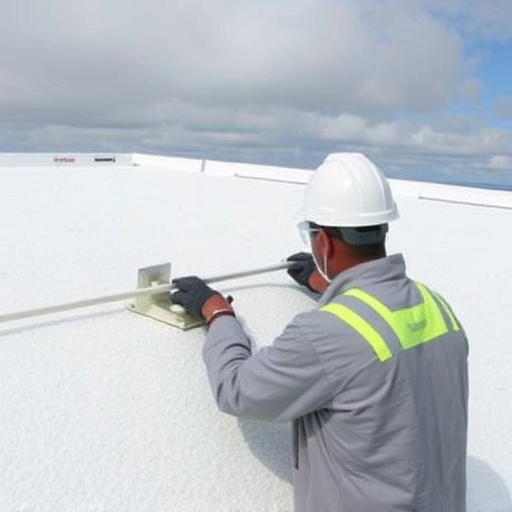
When considering solar panel installation on foam roofs, a crucial aspect to address is the structural integrity and load-bearing capacity of the roof. The roof load for solar arrays on foam roofs, especially in the case of concrete tile or other composite materials, requires careful assessment to ensure the panels are securely mounted and the roof structure remains intact.
One common challenge with foam roofs is their inherent flexibility, which can lead to concerns about panel stability, especially in areas prone to strong winds or storms. To mitigate these risks, a robust mounting system is essential. DC Roofing of Arizona, a licensed Oro Valley area roofing contractor, recommends utilizing specialized solar mounts designed for foam roofs, which often include additional anchoring mechanisms to distribute the weight evenly. These mounts are engineered to withstand the roof load for solar arrays while also providing adequate flashing to seal the joints, preventing leaks and water damage.
Hail is another significant consideration, as foam roofs can be more susceptible to hail damage than traditional shingles. To protect against this, the mounting system should incorporate conduit for running electrical wires, adding an extra layer of defense against impact. By integrating these features, the solar panels not only stay securely fastened but also contribute to the overall structural integrity of the roof, even under extreme weather conditions. This approach ensures that the roof load for solar arrays is managed effectively, and the roof is protected for years to come.
Frequently Asked Questions About an explainer on mounting solar panels on concrete tile and foam roofs
What are the key considerations when mounting solar panels on a concrete tile roof?
When installing solar panels on concrete tile roofs, consider the weight capacity, the condition of the tiles, and the roof's structure. DC Roofing of Arizona, a licensed Oro Valley area roofing contractor, recommends inspecting the roof to ensure it can support the additional weight. Proper flashing and sealing around the panel mounting points is crucial to prevent water intrusion. The contractor should also assess the age and quality of the tiles, as older or damaged tiles may need replacement before or during the installation process.
Can solar panels be installed on foam roofs?
Absolutely. Solar panels can be successfully mounted on foam roofs, provided the foam insulation is in good condition and can support the weight of the panels. A roofer with an Arizona ROC license will evaluate the foam insulation's integrity and recommend the best mounting system, such as ballasted or mounting tracks, to ensure stability and safety.
What are the benefits of solar panels on concrete tile or foam roofs?
Mounting solar panels on concrete tile or foam roofs offers several advantages. Both types of roofs provide a sturdy foundation for panels, enhancing their longevity. Concrete tile roofs are known for their durability and low maintenance, while foam roofs provide excellent insulation, contributing to energy efficiency. Solar panels on these roofs can generate clean, renewable energy, potentially reducing utility bills and increasing a home's value.
How long does the installation process typically take?
Most solar panel installations on concrete tile or foam roofs take one to two days, depending on the roof's size and complexity. This includes the time required for material preparation, panel mounting, wiring, and final inspections. DC Roofing of Arizona, for instance, prioritizes efficiency and safety, aiming to complete installations promptly while adhering to industry standards.
Are there any local regulations or permits required for solar panel installation?
Yes, local regulations and permits play a crucial role in solar panel installation. Oro Valley, Arizona, like many areas, has specific codes and guidelines for solar energy systems. Homeowners or contractors should check with the local building department to understand permitting requirements. DC Roofing of Arizona can assist in navigating these regulations, ensuring the installation complies with all necessary codes.
The process of mounting solar panels on concrete tile and foam roofs involves careful assessment of roof suitability, specific load considerations, and tailored installation methods. Understanding the unique characteristics of each roof type-be it the solid structure of concrete tile or the lighter, more flexible nature of foam-is crucial for efficient and secure solar array installation. By considering the roof load for solar arrays, professionals can ensure a sturdy and long-lasting system.
Concrete tile roofs require robust mounting solutions that can withstand the weight of panels and equipment, while foam roofs demand systems designed for low-profile, secure attachment to prevent shifting in wind or under heavy loads. Proper planning and execution yield a solar-ready roof that maximizes energy production while preserving the structural integrity of the building.
Next steps for Oro Valley residents considering solar include engaging a licensed roofing contractor, such as DC Roofing of Arizona, to assess their roof and provide expert advice tailored to their specific situation. By combining solar and roof upgrades, homeowners can achieve energy efficiency, environmental sustainability, and increased property value, making their homes more resilient and attractive in the long term.
Mounting solar panels on concrete tile or foam roofs in Oro Valley requires careful consideration of the roof load for solar arrays. Concrete tile roofs, known for their durability, can handle significant weight with proper evaluation and use of standoffs. Foam roofs, popular for energy efficiency, may need specialized mounts to manage load and protect against leaks. A licensed Oro Valley roofer should assess the roof's integrity, structural capacity, and local regulations before installation, ensuring a safe and effective solar system.