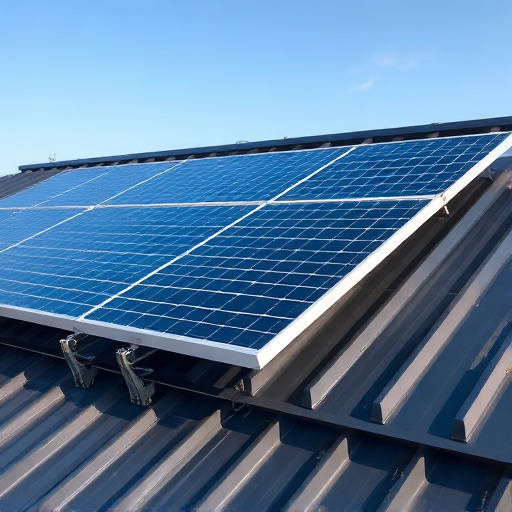
To sustainable energy solutions, many homeowners in the Oro Valley area are considering the switch to solar power. Mounting solar panels on concrete tile and foam roofs presents both opportunities and challenges. On one hand, these roofing materials offer a sturdy base for solar systems, potentially enhancing your home's energy efficiency and property value. On the other hand, installing and maintaining solar panels on these surfaces requires specialized knowledge and techniques, especially for roof access with solar. This guide provides a comprehensive overview of the best practices for preparing and installing solar panels on concrete tile and foam roofs, ensuring a reliable and efficient energy source for your Oro Valley residence.
- Evaluating Roof Suitability for Solar Panel Installation
- Understanding Concrete Tile and Foam Roofs for Solar
- Securely Mounting Panels: Best Practices for Concrete Roofs
- Optimizing Roof Access and Solar Panel Orientation
Evaluating Roof Suitability for Solar Panel Installation
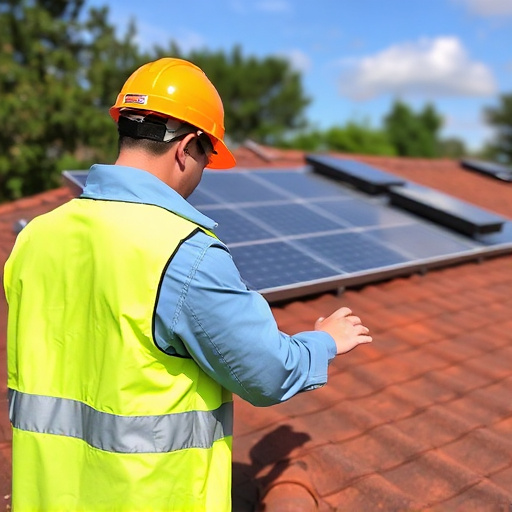
When considering solar panel installation, evaluating your roof's suitability is a crucial first step. The age, structure, and current condition of your roof play significant roles in the success of this process. An older concrete tile roof may require more extensive repairs before solar mounting, whereas a foam roof, while lightweight, demands specific installation techniques to prevent damage.
In Oro Valley and Marana, where DC Roofing of Arizona serves, homeowners often find themselves contemplating solar energy's benefits, such as energy efficiency and sunlight protection. However, before proceeding, it's essential to assess whether your roof can accommodate the additional weight and changes in structure that come with solar panel installation. The process involves careful consideration of your roof's load-bearing capacity and potential points of vulnerability. For concrete tile roofs, this might include examining the integrity of the tiles and the underlayment, as cracks or missing tiles can create entry points for water and pests, leading to costly repairs.
Panel removal and reinstallation during repairs or maintenance can be more complex on certain roof types. With concrete tile and foam roofs, the process requires careful planning and specialized techniques. When removing panels for repairs, standoffs-brackets that lift the panels slightly from the roof-must be carefully managed to avoid damaging the roof structure. A roofing contractor serving Oro Valley and Marana with experience in solar installations will know how to navigate these challenges, ensuring the safety and longevity of your roof while integrating solar panels.
Proper roof access with solar is not just about physical preparation; it's about ensuring your home's structural integrity and the long-term performance of your solar system. By working with a local roofing company that understands the specific requirements of solar installations, you can achieve a seamless integration of solar panels, enhancing your home's energy efficiency while preserving the strength and beauty of your roof.
Understanding Concrete Tile and Foam Roofs for Solar
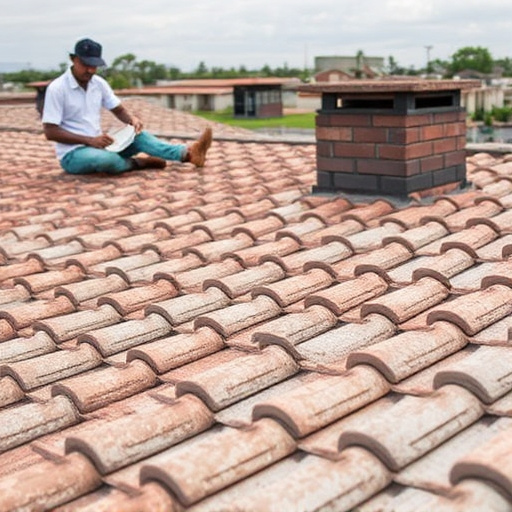
When considering solar for your Oro Valley or Marana home, understanding your roof's capabilities is crucial. This is especially true when your roof is made of concrete tile or foam. These materials offer a solid foundation for solar panels, but they require specific considerations for a successful installation.
Concrete tile roofs are a popular choice in the region due to their durability and low maintenance. However, they demand careful planning when integrating solar. The panels must be securely mounted to the tiles, ensuring they don't shift or move. A roofing contractor serving Oro Valley and Marana will assess the condition of the concrete tiles, checking for cracks or damage that could compromise the system. Proper flashing and underlayment are essential to prevent water infiltration at the tile-panel interface. This involves precise detailing to maintain the structural integrity of the roof while accommodating the additional weight of solar panels.
Foam roofs, another prevalent option, provide excellent insulation and a smooth surface for solar mounting. The challenge lies in securing the panels to the foam while ensuring the roof's structural integrity. A licensed Oro Valley area roofing contractor will employ specialized techniques and hardware to attach the panels, often using mechanical fasteners designed for foam roofs. Unlike concrete tile, flashing isn't typically an issue with foam, but proper underlayment selection and installation remain critical.
In both cases, Tucson Electric Power (TEP) guidelines play a significant role in solar installation. Adhering to TEP's requirements ensures your system is safe, approved, and connected to the grid. When planning roof and solar together, a free consultation with a roofing professional can help you understand the best layout for your panels, considering roof access with solar, shade analysis, and potential HOA rules. This proactive approach maximizes your investment in both the roof and the solar system, ensuring they work in harmony for years to come.
Securely Mounting Panels: Best Practices for Concrete Roofs
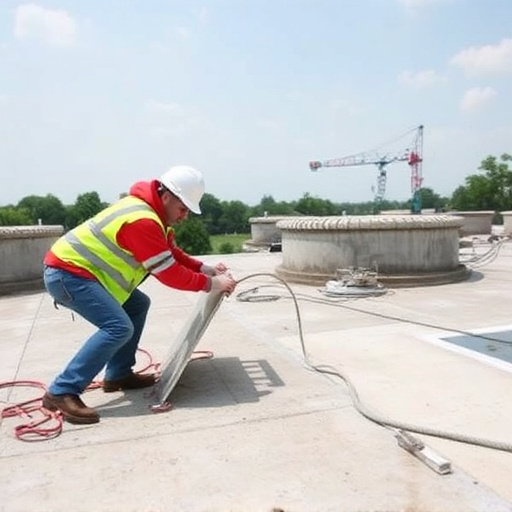
Mounting solar panels on concrete tile and foam roofs requires careful consideration of the unique challenges and best practices each substrate presents. Concrete roofs, in particular, offer both advantages and intricacies when hosting solar systems. Accessing these panels for installation, maintenance, and eventual removal is crucial, making proper roof preparation and mounting strategies paramount.
Concrete tile roofs, with their durability and low maintenance, provide a solid foundation for solar panels. However, accessing the underlying surface for panel installation can be more complex than on traditional shingled roofs. Rooftop access is key, and in areas like Oro Valley, where many homes feature concrete tiles, a roofer with an Arizona ROC license often recommends a thorough inspection to ensure the roof can support the additional weight and access requirements for solar. Proper flashing and sealing around solar mounts are essential to prevent water intrusion and UV exposure to the underlying concrete, ensuring the roof's longevity. Homeowners should be aware that excessive UV exposure can weaken concrete over time, so using UV-resistant materials and maintaining regular roof inspections is crucial.
For foam roofs, a different set of considerations arises. These lightweight roofs are popular for their energy efficiency, but they demand meticulous mounting techniques to ensure stability and structural integrity. Solar mounts designed for foam roofs must be securely fastened to avoid leaks and maintain the roof's structural integrity. HOA regulations also play a significant role in foam roof solar installations. In Oro Valley, where many neighborhoods have specific guidelines, homeowners must ensure their plans align with community rules regarding roof access, panel layout, and aesthetic considerations. Proper planning, including consulting with a local roofing contractor, can help avoid costly mistakes and ensure compliance.
Pigeons and other critters can pose challenges, especially on concrete tile roofs. Their nests and droppings can cause damage and create unsanitary conditions. Proper flashing and ventilation around solar panels can deter wildlife, ensuring a cleaner, safer roof environment. Regular roof maintenance, even with solar panels in place, is crucial to address any emerging issues, such as cracked tiles or leaks, promptly. This proactive approach, combined with the expert guidance of a licensed roofer, ensures a robust solar installation that complements the beauty and integrity of the home's roof for years to come.
Optimizing Roof Access and Solar Panel Orientation
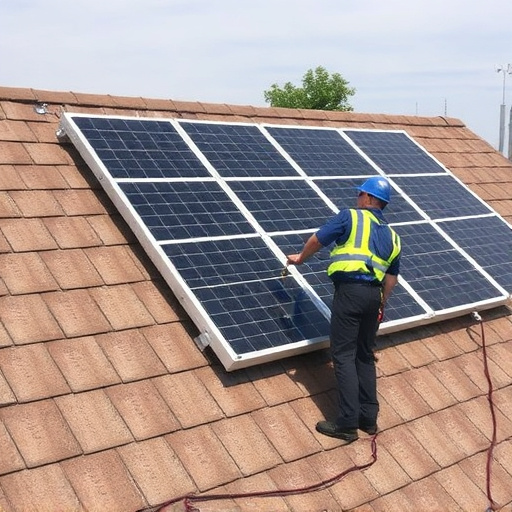
When mounting solar panels on concrete tile or foam roofs, optimizing roof access and panel orientation is crucial for both performance and maintenance. In Sun City Oro Valley, where monsoon seasons can bring both high heat and intense rainfall, proper preparation is key to ensuring your solar installation stands the test of time. A roofing contractor serving Oro Valley and Marana recommends starting with a thorough assessment of your roof's underlayment, which acts as a crucial barrier between your roof and solar panels, protecting against leaks and moisture damage.
For concrete tile roofs, the process involves inspecting the tiles for cracks or damage, especially in areas where solar panels will be installed. In some cases, tile replacement or repair may be necessary before mounting solar panels. With foam roofs, the focus shifts to ensuring the underlayment is in good condition and properly sealed to withstand the additional weight of the solar system. Proper roof access is also essential; consider the placement of vents and other features that might obstruct the installation process or impact panel orientation.
Orientation matters in solar panel efficiency, particularly in an area with varying weather patterns like Oro Valley. For optimal performance, solar panels should face south (in the northern hemisphere) or north (in the southern hemisphere). East- and west-facing panels can still generate significant energy, but their output may vary throughout the day. When planning roof access with solar, keep this in mind. Placing panels on the west side of a roof may result in lower morning and higher afternoon output, while east-facing panels will experience the opposite. This strategic placement can help maximize energy production throughout the day, taking advantage of both morning and afternoon sunlight.
Frequently Asked Questions About an explainer on mounting solar panels on concrete tile and foam roofs
What are the key considerations when installing solar panels on a concrete tile roof?
When mounting solar panels on a concrete tile roof, the first step is ensuring the roof structure is strong enough to support the panels' weight. Concrete tiles are generally durable, but the age and condition of the roof can vary. A thorough inspection is crucial to determine if the existing tiles and underlayment can withstand the additional load. Proper flashing and sealing around the panel mounts is also essential to prevent water intrusion. Using the right mounting hardware designed for concrete tile roofs is vital for a secure and long-lasting installation.
Are there any specific challenges associated with installing solar panels on foam roofs?
Foam roofs, while popular for their insulation properties, pose unique challenges for solar panel installation. The flexibility of foam can affect the panel's alignment and stability, especially in windy conditions. DC Roofing of Arizona, a licensed Oro Valley area roofing contractor, recommends using specialized mounting systems designed for foam roofs to ensure the panels are securely fastened. Proper ventilation beneath the panels is also critical to maintain the structural integrity of the foam insulation.
How long does the installation process typically take?
Most solar panel installations on concrete or foam roofs in the Oro Valley area take one to two days, depending on the roof size and complexity. This includes time for roof inspection, panel mounting, wiring, and system testing. A licensed Arizona roofer with an ROC license will coordinate the process, ensuring all work complies with local building codes and safety standards.
What safety measures should be considered during the installation?
Safety is paramount during solar panel installation. Rooftop work often involves heights, electrical wiring, and heavy equipment. All contractors should be trained and certified in rooftop solar installations. Using fall protection equipment, such as safety harnesses and ropes, is crucial. Proper grounding and electrical safety protocols must be followed to prevent hazards. Regular safety meetings and briefings are essential to keep the installation crew informed and protected.
Can solar panels be installed on older concrete tile roofs that may have some damage?
Absolutely. DC Roofing of Arizona has experience repairing and reinforcing older concrete tile roofs to prepare them for solar panel installation. Minor damage, like cracked or missing tiles, can often be repaired while more extensive issues might require replacement. The goal is to ensure the roof structure is sound and capable of supporting the weight of the panels. A thorough assessment by a local roofing company serving Oro Valley and Marana will determine the best course of action.
What are the benefits of solar panels on a concrete tile or foam roof?
Solar panels offer several advantages for concrete tile or foam roofs. They provide a clean, renewable energy source, reducing utility costs for homeowners and businesses. On concrete tile roofs, panels can extend the life of the roof by protecting it from the elements. Foam roofs, when properly ventilated, can remain cooler, reducing energy consumption for air conditioning. Solar panels can increase property value, making them a smart long-term investment.
When mounting solar panels on concrete tile or foam roofs, understanding the unique characteristics of your roof is key. This article has guided you through the process, emphasizing best practices for each roof type, from evaluating suitability to optimizing orientation. You now know that concrete tile roofs, with their durability and smooth surface, offer excellent solar potential, while foam roofs, known for their insulation properties, require careful consideration of weight and ventilation.
Secure mounting involves careful planning, ensuring panels are properly fastened to withstand local weather conditions. Proper roof access is crucial for both installation and future maintenance, so always plan for easy accessibility. When preparing for solar, consider the age and condition of your roof, as older tiles might need replacement to avoid leaks and ensure long-term energy savings.
Next steps include consulting a licensed roofers who specialize in solar installations, obtaining necessary permits, and scheduling a free consultation to discuss your specific Oro Valley roof and energy needs. By following these guidelines, you can maximize the benefits of solar energy while ensuring your roof remains in top condition.
When considering solar panels for your Oro Valley or Marana home, carefully evaluate your roof's condition and structure, especially if it's concrete tile or foam. These roofs require specific mounting techniques and preparation to ensure a successful and safe solar installation. A licensed local roofing contractor can assess your roof's load-bearing capacity, check for vulnerabilities, and provide specialized techniques for panel removal and reinstallation. Adhering to TEP guidelines and understanding your roof's access points and panel orientation are crucial for both energy efficiency and long-term performance. Regular roof maintenance, even with solar panels, is essential to address any emerging issues promptly.