In the rapidly growing adoption of solar energy, the integration of solar panels with roof replacements or repairs is a critical yet often overlooked aspect. Oro Valley residents, like many across the nation, are navigating the complex process of removing and reinstalling solar panels to accommodate essential roof work, ensuring both energy efficiency and environmental sustainability. This guide examines into the intricacies of this process, highlighting the challenges and offering solutions grounded in best practices. Understanding how to safely remove and reinstall solar panels is important, especially when considering the longevity of both the solar and roof systems, as well as the impact on property value and local regulations, aligning with community benefits and clean energy goals.
- Understanding Solar Panel Removal: Safety and Precautions
- Demonting Solar Arrays: Step-by-Step Guide
- Reinstallation Best Practices: Ensuring Best Performance
- Solar and Roof Warranties: Coverage and Claims Process
Understanding Solar Panel Removal: Safety and Precautions
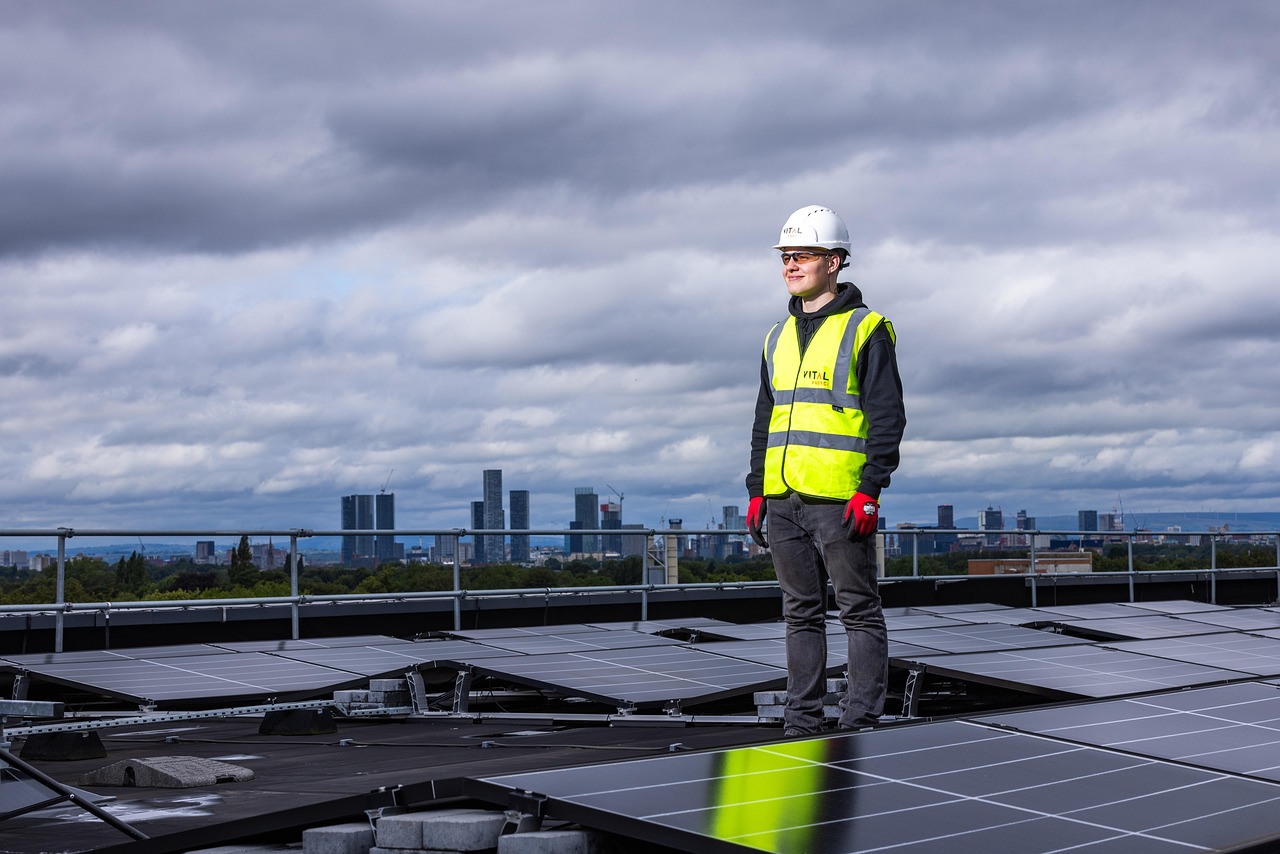
When planning roof work that requires removing solar panels, safety must be the top priority. The process of taking down and reinstating these systems is not a simple DIY project; it requires specialized equipment and knowledge to avoid damage to the panels, roof, or even personal injury. An experienced Oro Valley roof specialist can ensure the panels are safely removed, taking care to protect the roof's integrity and the solar system's components.
One of the first steps in this process is understanding the type of solar mounts and hooks used to secure the panels to the roof. Tile hooks are commonly used on tiled roofs, while solar mounts can vary based on the roof's material and pitch. Proper removal involves detaching these hooks and mounts carefully, preventing any potential breakage. Data from the Solar Energy Industries Association (SEIA) shows that proper removal and reinstallation can extend the life of both the solar system and the roof, highlighting the importance of this step.
Before any work begins, it's important to assess the age and condition of the roof. Older roofs may require more meticulous handling to avoid leaks and structural damage. The International Association of Plumbing and Mechanical Engineers (IAPME) recommends that roofers working with solar systems be well-versed in both roofing and solar technologies. This includes knowing when to advise a complete roof replacement over reroofing, especially if the existing roof is damaged or nearing the end of its lifespan. This decision can impact the timing of solar and roof warranties, offering significant long-term savings for Oro Valley residents.
During reinstallation, the panels should be laid out with best orientation and layout in mind. This step ensures the system functions at peak efficiency, capturing the most sunlight. East- and west-facing panels can capture different amounts of light throughout the day, so their placement is strategic. Proper roof access is also important, allowing for easy maintenance and future repairs. Regular maintenance, including cleaning and inspecting the panels, should be part of the post-installation routine to keep the system running smoothly and safely.
Demonting Solar Arrays: Step-by-Step Guide
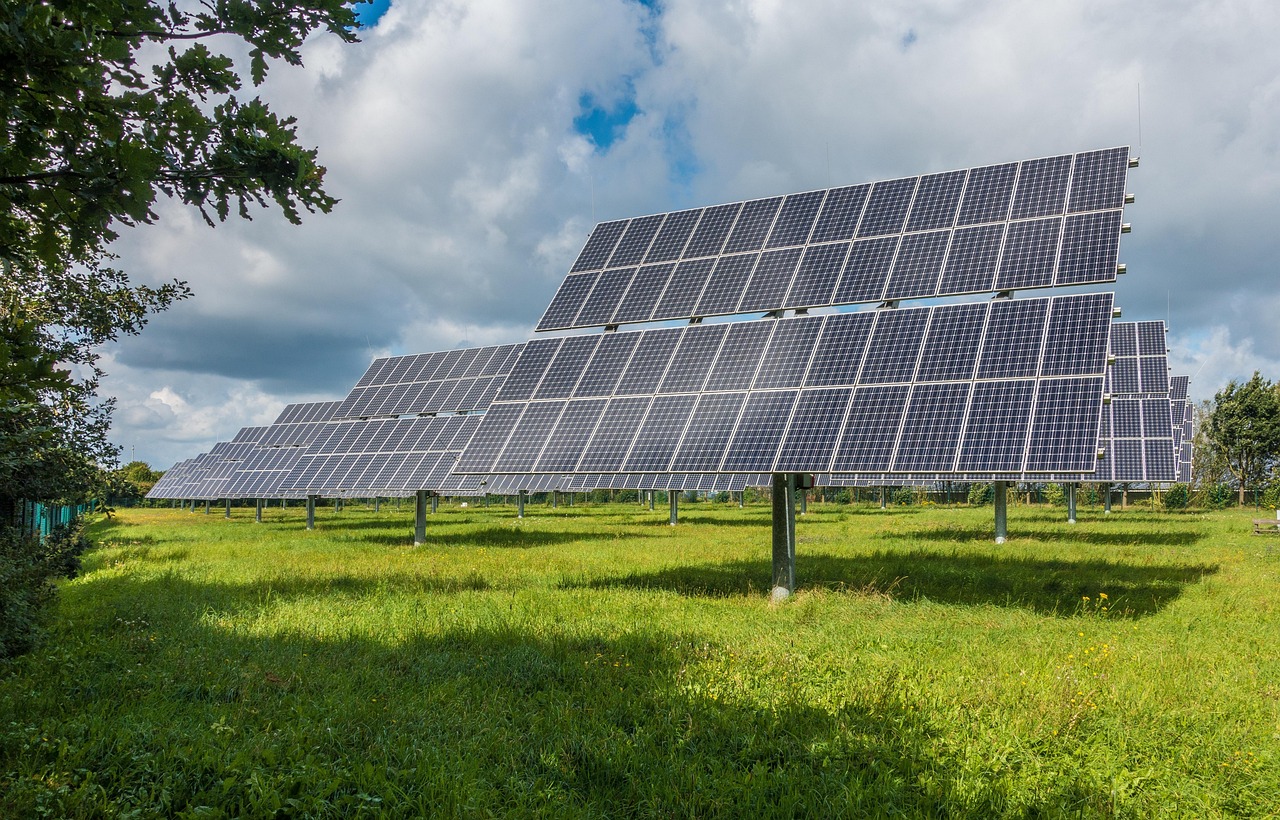
Removing and reinstalling solar panels for roof work is an important process that requires careful planning and expertise to ensure both the longevity of your solar system and the integrity of your roof. When a roof needs repairs or replacement, especially in the case of a foam roof, the process becomes more complex. Here's a step-by-step guide that includes best practices and tips from local roofing professionals serving Oro Valley.
Before starting, it's essential to assess the condition of both the solar panels and the roof. Panels should be inspected for any signs of damage, such as cracked or broken glass. Look for loose connections, especially if the roof has been through a recent storm. In cases of a south-facing roof, panel removal and replacement can be more straightforward, but always consult with a professional to understand the unique challenges and benefits. A foam roof might require specialized tools and techniques to avoid damaging the underlayment during panel removal.
The demonting process begins with turning off the power to the solar array at the main electrical panel. Safety is paramount, so use personal protective equipment (PPE), including gloves, safety glasses, and a hard hat. Remove the panel connectors and down-wire each panel, taking note of the wiring configuration. This step ensures that reinstallation goes smoothly and maintains the solar and roof warranties. Once all panels are secured, they can be safely removed. In the case of a patio cover, it's important to use proper support systems to prevent damage during the removal process.
Reinstallation involves reversing the removal process. Check each panel's orientation and position to ensure proper alignment. Secure the panels with the appropriate connectors, following the wiring diagram meticulously. For a foam roof, it's important to use flashing and other protective measures to safeguard against leaks. Finally, test the system to confirm it's functioning bestly. This step is where local roofing companies can provide invaluable expertise, ensuring that all aspects of the roof and solar system are compatible and functioning at peak efficiency.
Reinstallation Best Practices: Ensuring Best Performance

When planning roof work that requires removing solar panels, it's important to follow best practices for smooth reinstallation. This ensures not only best performance of your solar system but also the longevity of your roof. A licensed Oro Valley area roofing contractor can provide expert guidance on the process, addressing specific challenges posed by different roofing materials like foam roofs. When dealing with a foam roof, careful removal is essential to avoid damaging the underlying structure, a common issue that can lead to costly repairs.
After the necessary roof work is complete, reinstalling solar panels requires careful planning to maintain energy efficiency. Consider the orientation and layout of the panels—east and west-facing panels can offer maximum sunlight exposure, but proper placement is key. Panels facing south in the Northern Hemisphere generally capture the most sunlight throughout the day. Ensure that the panels are securely fastened with the right mounting hardware, especially in areas prone to hail or high winds. According to the U.S. Energy Information Administration, proper installation and maintenance can extend the lifespan of solar panels to 25-30 years or more.
Net billing, a popular incentive for adopting solar, can make roof upgrades more affordable. However, when planning for roof and solar together, it's important to discuss the timing of these projects. Some solar panels can be temporarily removed for roof repairs, but complete reinstallation may require a second phase, especially if the roof work uncovers hidden issues. A roofing professional can advise on the best approach, considering factors like the age of the roof, its condition, and your solar and roof warranties. A cracked tile under a panel may require immediate attention to prevent further damage, whereas a minor leak might be addressed during a scheduled roof inspection. Regular maintenance and care around solar panels, including cleaning and inspecting for damage, are key to preserving performance and extending the life of your system.
Solar and Roof Warranties: Coverage and Claims Process
When planning roof work that involves removing and reinstalling solar panels, understanding the interaction between solar and roof warranties is important. In Sun City Oro Valley, homeowners often need to handle the process of claiming warranty coverage for both their roofing system and solar panels. It's essential to know that these warranties, especially for high-value items like Sunpower solar panels, come with specific policies regarding modifications.
The first step is to review the terms of both your roof warranty and solar panel warranty. Many roof manufacturers, like GAF, offer comprehensive warranties that can be extended to include solar panel integration. These warranties typically cover the entire system, but certain exclusions may apply, especially if a third-party contractor performs the initial installation. A standard GAF roof warranty might cover materials and labor for 25 years, while a solar panel warranty from Sunpower offers 25 years of product performance. When planning a roof replacement, it's vital to check if the new roof can accommodate the existing solar panels, ensuring minimal disruption to your energy production.
During roof work, especially when replacing or repairing a significant portion of the roofing system, removing the solar panels is often necessary. In these cases, homeowners should be aware of the following: standoffs, which separate the solar panels from the roof, can be affected by weather and debris, necessitating a careful check and replacement if needed. Once the roof work is complete, proper reinstallation of the solar panels is important. This process should only be handled by experienced Oro Valley roof specialists who understand the intricate dance of aligning panels, securing them, and ensuring best performance. The claims process for warranty coverage begins with documentation of the work performed and the need for solar panel replacement or repair. Providing detailed records, including photos, can significantly aid in the claim's approval.
Frequently Asked Questions About an Explainer on Removing and Reinstalling Solar Panels for Roof Work
What should I know before scheduling removal and reinstallation of my solar panels?
Before scheduling removal and reinstallation, understand that this process involves specialized equipment and expertise. Consult with a licensed solar contractor who can assess your system's condition, ensure safe removal, and provide a detailed plan for reinstallation. Obtain quotes from multiple contractors to compare services and pricing. Note that weather conditions can impact scheduling, with best installation requiring clear, dry days.
How are solar panels safely removed from a roof?
Safety is paramount. A professional contractor will use appropriate fall protection equipment and secure the panels during removal to prevent damage or injury. Panels are typically removed in reverse order from installation, starting with the last panel connected to the inverter. A crane or specialized equipment may be used for larger systems, especially on steep roofs.
Can solar panels be reused after removal?
Reusing existing panels is possible, but depends on their condition. Panels should be inspected for damage, loose connections, or wear and tear. A qualified technician will determine if cleaning, repairs, or replacement parts are needed. Reusing panels can save on cost, but ensure they meet current safety and efficiency standards.
What if my roof needs repairs before reinstallation?
If roof repairs are needed, schedule them before panel reinstallation. This may involve temporary storage of panels. A contractor will assess the scope of roof work and coordinate with your utility provider for disconnection and reconnection of power. Proper sealing and flashing around the panels is important to prevent water intrusion after reinstallation.
How long does reinstallation typically take?
Reinstallation time varies based on panel size, roof type, and local weather conditions. For a standard residential system, reinstallation can take 1-2 days. This includes panel placement, wiring, inverter connection, and final inspections. Ensure the new installation complies with local building codes and utility requirements.
What documentation do I receive after reinstallation?
After successful reinstallation, you'll receive a completion report detailing the work performed, any parts replaced, and the system's performance. This document is important for insurance claims, tax credits, and future maintenance reference. Keep it on file for easy reference and to facilitate any necessary future repairs or replacements.
As we've explored the process and considerations around removing and reinstalling solar panels for roof work, several key insights emerge. First, safety is paramount; a thorough understanding of the process and precautions is important to prevent damage to both the roof and the panels. When demounting, a step-by-step guide ensures efficiency and reduces the risk of errors, with specific attention to panel layout, critter guards, and protection from weather events like hail and wind.
Reinstallation best practices reinforce the importance of a solid foundation and best orientation for maximum energy production. Properly managing the load on the roof and addressing any leaks or heat buildup under the panels are critical for long-term performance. Recognizing the interplay between solar installations and roof warranties, especially when planning repairs or reroofing, can save homeowners time and money.
The article highlights the significance of solar and roof warranties, providing a clear roadmap for navigating claims processes. This knowledge equips homeowners with the tools to make informed decisions, ensuring their investments are protected. By integrating these practices, homeowners can maintain a safe, efficient, and environmentally sustainable energy system, underscoring the value of expert solar and roof care.
When planning roof work with solar panels, prioritize safety and expertise. Remove and reinstall panels carefully, protecting the roof and system. Assess roof and panel condition, considering age and material. Optimize panel layout for peak efficiency, ensuring proper roof access. Maintain panels post-installation with regular cleaning and inspection. For complex cases like foam roofs, consult local roofing professionals. Understand the interaction of solar and roof warranties during modifications. Document work and claims for warranty coverage, ensuring thorough record-keeping.