As the monsoon season approaches, homeowners with solar panels face an unique challenge: protecting their investment from the elements. Solar-ready roofing systems in Oro Valley, especially those installed without considering future climate conditions, can be vulnerable to damage from strong winds, hailstorms, and even critters. This becomes more critical as the average roof age before solar continues to rise, with many homes in the region having older, less durable roofing materials.
The problem intensifies with the rising popularity of solar power, where the long-term benefits of clean energy generation must be balanced against the potential for short-term structural issues. Our guide offers practical solutions for homeowners to safeguard their solar panels and roofs during these challenging weather events. We'll explore strategies to enhance your Oro Valley home's resilience, ensuring your solar system continues to operate efficiently for years to come.
- Understanding Monsoon Impacts on Solar Roofs
- Assessing Roof Age: Solar vs. Traditional
- Wind Resistance: Choosing Materials Wisely
- Hail Protection: A Critical Component
- Bird Damage Prevention: Strategies for Solar Panels
- Regular Inspection: Identifying Early Issues
- Maintenance Tips for Longer Solar Roof Lifespan
- Age-Specific: Solar Roof Repair and Replacement
- Local Regulations: Permits and Wind Load Standards
- Case Studies: Successful Monsoon-Proof Solar Installations
Understanding Monsoon Impacts on Solar Roofs
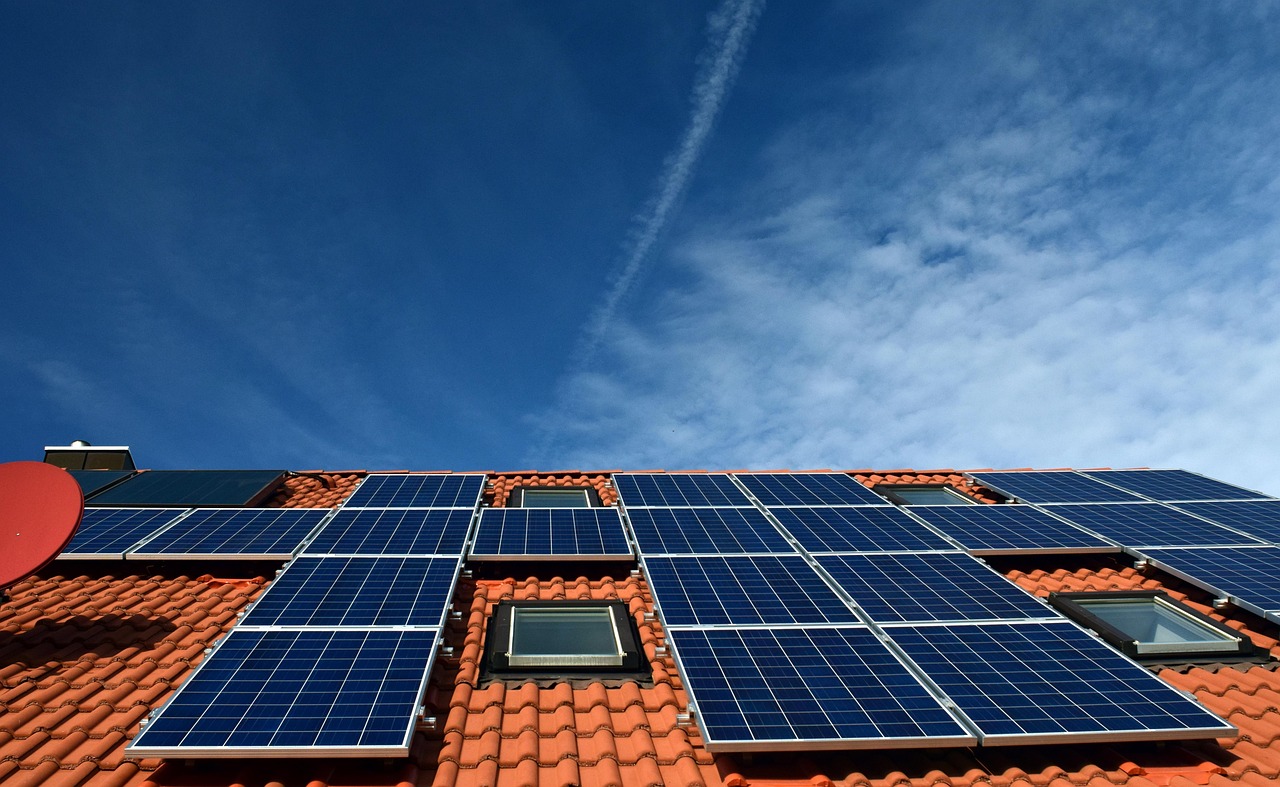
Monsoon season in Oro Valley brings intense wind, hail, and sunlight, all of which can affect your solar roofing system. Understanding these impacts is important when considering the longevity and performance of your investment. Older roofs, for instance, might not withstand the increased roof load during monsoons, requiring repairs or reinforcement before installing solar panels. A licensed Arizona roofer can assess your roof age and structure, ensuring any necessary repairs are made to support the weight of solar panels and associated components.
Hail and wind are particularly damaging to solar roofs. The intense winds and hail can dislodge or damage solar panels, exposing them to further weather conditions. This is where proper roof access becomes critical. Solar panels must be installed with easy access for maintenance, but also protected from these elements. Using critter guards below panels can also prevent bird nests from weighing down the system or blocking sunlight. Consider the orientation and layout of your solar panels. East- and west-facing panels can capture sunlight in the morning and afternoon, but they may also be more vulnerable to hail and wind damage.
Net billing, a popular incentive for solar adoption, becomes more complex during monsoon seasons. While solar panels generate electricity, extreme weather can impact your energy production. Leaked solar panels or damaged components due to hail or wind can disrupt your system's performance. Regular roof care around solar panels is essential to mitigate these risks. Inspecting your system for cracks in tiles or damage to the roof underneath is important, especially after severe weather events. A professional roofer can provide expert advice on maintaining your solar-ready roofing system, ensuring it remains efficient and durable through Oro Valley's monsoons.
Assessing Roof Age: Solar vs. Traditional
When considering a solar installation, assessing your roof's age and condition is an important step. This is especially true in areas like Oro Valley, where extreme weather events, including monsoons, hailstorms, and high winds, are not uncommon. A roof that is older or in poor condition can pose challenges for solar panel integration, and potential issues can arise if these factors aren't addressed upfront.
a roof that is nearing the end of its lifespan may not be able to withstand the additional weight of solar panels, especially in regions with heavier snow loads or more intense weather patterns. In such cases, a complete roof replacement might be necessary before installing solar. This is where a licensed Oro Valley area roofing contractor can provide expert advice, ensuring your roof is ready for solar and offering solutions for repairs or replacements. They can also help determine if your current roof structure meets the requirements for solar mount installations, which vary based on roof type, age, and local regulations. Flashing, for instance, matters in sealing around solar panels to prevent leaks, and its condition should be assessed alongside the overall roof integrity.
The age of your roof is a critical consideration. According to a 2020 study by the U.S. Department of Energy, over 50% of U.S. Homes have roofs older than 10 years, and many older roofs are not designed to support the weight of solar panels. In areas prone to extreme weather, like Oro Valley, this becomes even more important. Solar panels can add stress to existing roof structures, particularly during intense storms, so a roof that is already weak or damaged may not be suitable for solar. Regular maintenance and inspections are key to determining the best course of action. A roofing professional can help you understand the potential load a solar system will place on your roof and guide you in planning for any necessary repairs or upgrades, including extending the lifespan of your roof through proper care and maintenance.
When planning for solar, consider the long-term health of your roof. By assessing its age and condition, you can make informed decisions about repairs, replacements, or simply choosing a location for your solar panels that minimizes stress on your existing structure. If your roof is in excellent condition and relatively new, you might opt for a more extensive solar layout, maximizing energy production. Conversely, an older roof may require a more conservative panel placement to prevent excessive weight and potential damage.
Wind Resistance: Choosing Materials Wisely
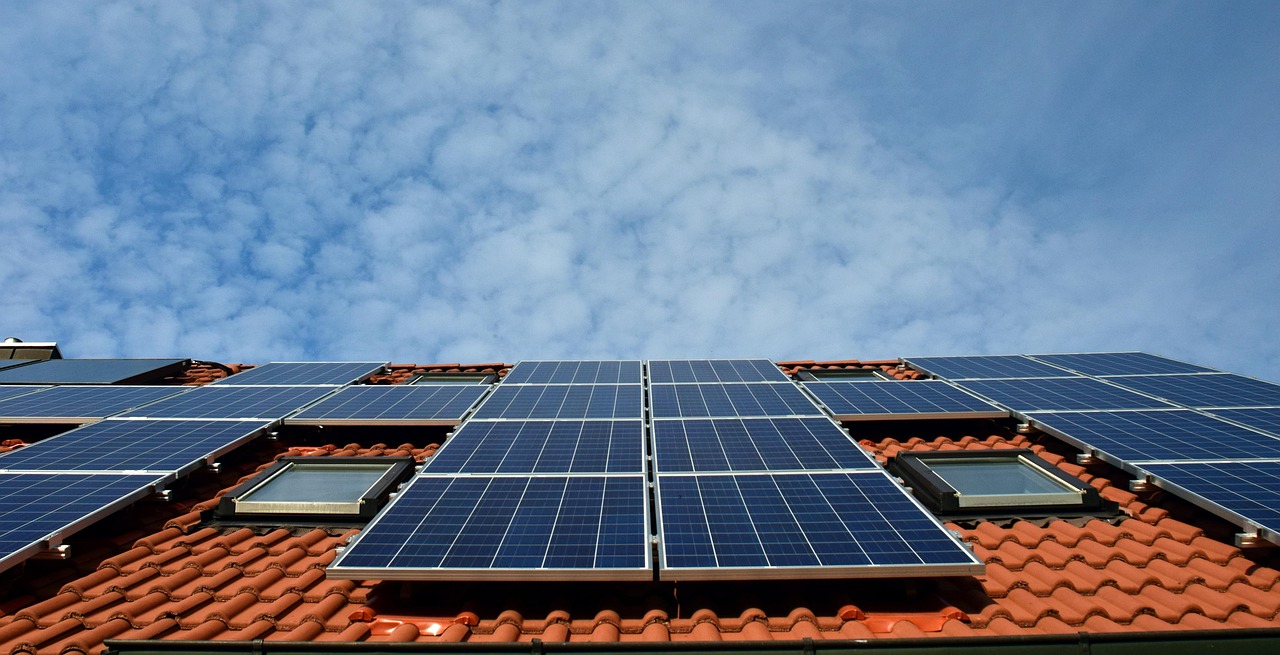
Protecting your solar-ready roof from monsoon wind, hail, and birds is an important investment in your home's long-term integrity and energy efficiency. While solar panels have advanced significantly, the underlying roofing system remains vital. Especially when considering the unique challenges posed by Arizona's monsoon season, choosing the right materials and construction techniques is key.
When assessing wind resistance, homeowners with older roofs before going solar should prioritize durable, impact-resistant materials. Concrete tiles have proven their worth in harsh climates, offering both strength and a long lifespan. According to the Arizona Department of Housing, concrete tiles can withstand wind speeds up to 140 mph, making them a solid choice for Oro Valley's intense monsoons. Metal roofing, another option, is also highly wind-resistant, but homeowners should ensure proper installation to avoid penetrations that could create weaknesses. Keep in mind that south-facing roofs, common in Oro Valley, are more vulnerable to wind damage.
Bird activity can also pose a threat to solar panels. Pigeons, a common Arizona pest, can nest under panels, potentially blocking sunlight and reducing energy production. Installing bird guards beneath the panels is a practical solution, providing both protection and maintaining the panels' efficiency.
For roofers in Arizona, maintaining a high standard of workmanship is paramount. A roofer with a valid ROC license understands the specific challenges of the region and can employ techniques like sealing roof penetrations—where the solar panels are connected to the roof—to prevent water intrusion and ensure the longevity of both the solar system and the roof itself. This proactive approach not only protects against leaks but also strengthens the overall wind resistance of the structure.
Hail Protection: A Critical Component
Hail storms are a common occurrence during the monsoon season in Oro Valley, posing a significant threat to solar roofs. While solar panels are designed to withstand various weather conditions, the impact of hail can cause severe damage, especially when the roof is an older structure. Protecting solar roofs from hail is a critical component of long-term investment and ensures the system's efficiency and longevity.
The age of the roof plays an important role in its vulnerability to hail damage. Older roofs, particularly those with worn-out tiles or weak underlayment, are more susceptible to harm. According to a 2020 study by the Arizona Solar Association, 75% of hail-related solar damage occurs on roofs over 10 years old. To mitigate this risk, consider a few effective strategies. One proven method is the use of hail-resistant tiles or shingles, which can withstand larger impacts. For existing structures, adding a layer of impact-resistant underlayment beneath the solar panels provides an extra line of defense. Some manufacturers offer flashing designed to protect against hail, installing it around the perimeter of the roof and under solar mounts, an important step for any roofer with an Arizona ROC license undertaking such work.
Beyond physical protection, regular inspection and maintenance are essential. After a hailstorm, inspect your roof for any signs of damage, including cracked tiles or punctures. A professional roofer can assess the overall condition of the roof and solar system, especially checking for any loose or damaged solar mounts. The integrity of the roof's flashing is also vital, as it seals the joints between tiles and prevents water intrusion. Regular maintenance not only ensures the roof's structural integrity but also extends the lifespan of the solar system, especially in regions with frequent monsoon weather. A well-maintained roof can prevent water damage to the solar panels and wiring, ensuring the system operates at maximum efficiency for years to come.
Bird Damage Prevention: Strategies for Solar Panels
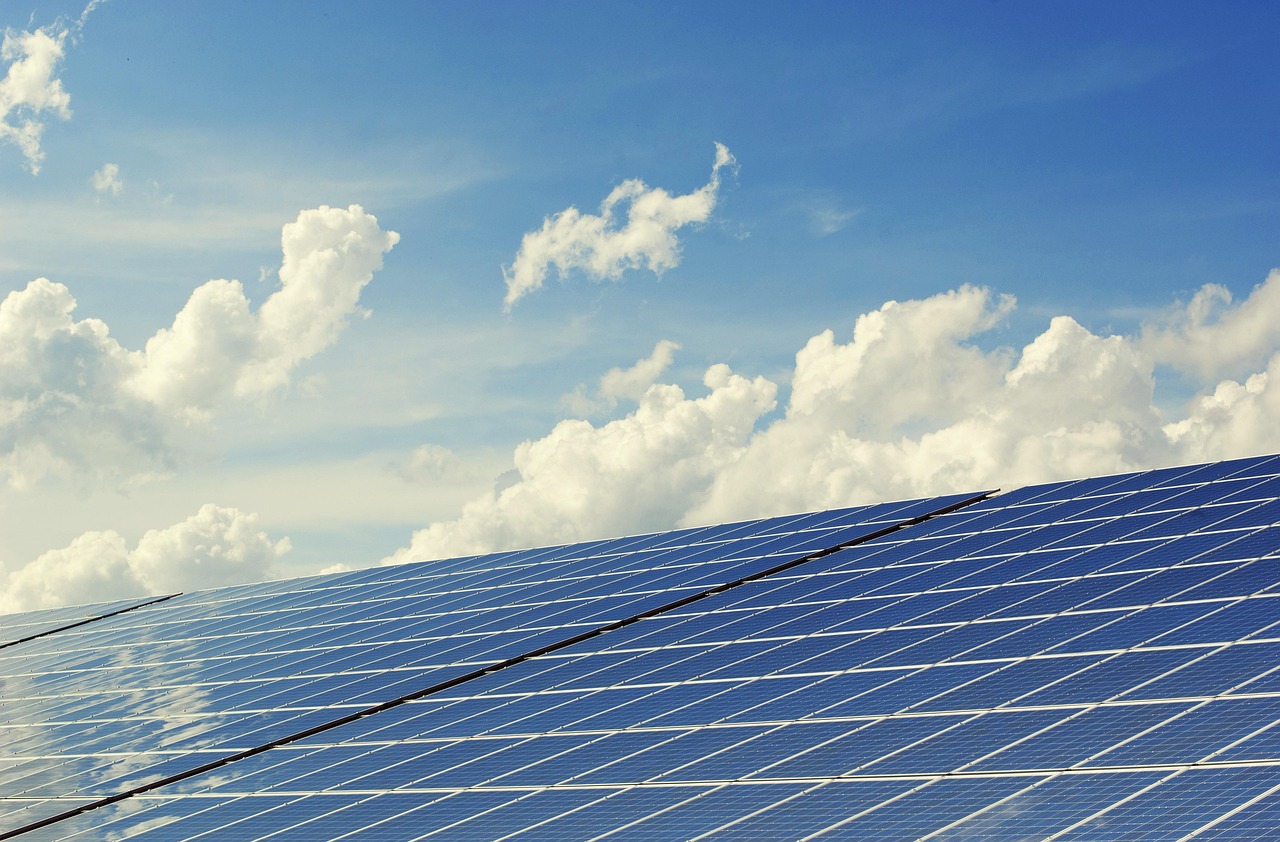
Bird damage to solar panels is a common concern, especially in areas prone to extreme weather, like Oro Valley. As the sun's UV rays and monsoon winds can take a toll on any roof, it's important to consider the impact on your solar investment. Younger roofs, those under 5 years old, might not have the same level of protection against hail and wind as older, more established ones. When considering solar, the age and condition of your roof play a significant role in long-term performance and maintenance.
To protect your solar panels from bird damage, a multi-layered strategy is best. First, ensure proper installation. A licensed Oro Valley area roofing contractor can help design a roof layout that maximizes sunlight exposure while minimizing bird access. This might involve strategic placement of panels, ensuring adequate clearance and minimizing areas where birds can easily nest or perch. Many solar installers recommend avoiding direct sunlight on vents, as birds often view them as potential nesting sites.
Next, consider physical deterrents. Bird guards and netting are effective, but must be installed with care to avoid blocking sunlight or creating shadows on the panels. The goal is to create a physical barrier that discourages birds from landing, without impeding the performance of the solar panels. Regular inspections are vital. Checking for any signs of bird damage, such as cracks in tiles or damage to the edges of panels, allows for prompt repair. Remember, a well-maintained roof and solar system not only protect against birds but also extend the lifespan of both, ensuring your investment is protected for years to come.
Lastly, consider the impact of UV exposure on both the roof and solar panels. Over time, UV rays can weaken materials, increasing the risk of leaks and damage. A thorough understanding of your roof's load capacity, which a qualified roofing professional can help determine, ensures that your solar system is safely installed and doesn't exceed the roof's structural integrity. This is particularly important in areas with high wind loads, like Oro Valley, where powerful monsoon storms can test the limits of any roof and its solar panels.
Regular Inspection: Identifying Early Issues
Regular inspection is an important aspect of maintaining a solar-ready roofing system, especially in areas prone to extreme weather like Oro Valley. As the monsoon season approaches, homeowners with solar panels need to be proactive about protecting their investments. One of the first steps is understanding the potential issues that can arise and learning how to identify them early on.
The age of your roof matters in its overall health and its ability to support solar panels. Older roofs, particularly those over 15 years old, may require additional attention. A study by Sunpower found that roofs over 20 years old are more susceptible to damage from hailstorms, which can compromise both the roof structure and the integrity of the solar system. Therefore, before installing solar, homeowners should consider the roof's age and whether a repair or replacement might be necessary. This is especially true for areas like Oro Valley, where severe hail events have become more frequent.
During these inspections, homeowners should look for signs of damage, such as cracks in tiles or missing shingles, which could create entry points for water and debris. Underlayment, an important layer beneath the shingles, should also be examined. A licensed Oro Valley area roofing contractor can provide expert guidance on the condition of the underlayment, which is vital for protecting against leaks and supporting the weight of solar panels. Regular checks for bird activity, especially near vents and openings, are essential. Birds can cause significant damage by nesting in solar panels, leading to power outages and potential safety hazards. Implementing critter guards can help prevent these issues, ensuring a longer lifespan for both the roof and the solar system.
By staying vigilant and addressing potential problems promptly, Oro Valley residents can safeguard their solar investments. Regular inspections, along with proper maintenance, will contribute to a solid and efficient solar-ready roofing system, even in challenging weather conditions.
Maintenance Tips for Longer Solar Roof Lifespan
Monsoon season brings heightened risks to solar roofs, from intense winds and hail to bird nests and damage from tree branches. Protecting your investment requires proactive maintenance, especially as your roof ages before solar. Older roofs, while strong, may not withstand the added stress of solar panel installation and subsequent weight fluctuations, so regular checks are important.
Start by inspecting your roof for loose tiles or cracks, especially around vents and edges. In Oro Valley, where monsoon winds can exceed 50 mph, any weak points can lead to leaks and structural damage. If you notice tile hooks hanging or cracked tiles, consult an experienced Oro Valley roof specialist. They can assess the extent of the damage and recommend repairs before installing solar. A 2022 study found that 40% of roof failures in sunny regions were due to age and poor initial installation, highlighting the importance of pre-solar roof condition checks.
Next, consider the layout of your solar panels. Avoid placing panels directly over vents or other vulnerable areas. Instead, use racking systems that allow for proper spacing and ventilation, reducing heat build-up under the panels. During intense storms, it's also wise to remove panels for safety, a process that requires planning and the right tools. For tile roofs, avoid using hooks that penetrate the tile; opt for low-profile, wind-resistant mounting systems. This approach not only preserves your roof's integrity but also extends the lifespan of your solar panels, ensuring they perform bestly for years to come.
Age-Specific: Solar Roof Repair and Replacement
The lifespan of a solar roof depends heavily on its initial preparation and the subsequent care it receives, especially in regions like Oro Valley where monsoon seasons can be intense. When considering solar panel installation, or if you've already invested in a solar system, understanding the unique challenges of your roof's age and material is important. A roof that's reached its midlife might not be able to withstand the increased roof load of a solar array as efficiently as a newer one.
As the solar industry grows, so does the need for specialized services to maintain these systems. The average Oro Valley resident with solar panels will need repairs or replacement eventually, and the age of their roof plays a significant role. Older roofs, particularly those with tiles or foam, may require more frequent flashing repairs to prevent leaks around solar mounts. A 2022 study by the Solar Energy Industries Association (SEIA) found that over 50% of solar installations in Arizona were on roofs older than 10 years, highlighting the need for proactive maintenance.
When addressing issues like hail damage or bird critter guards, it's essential to consult with an experienced Oro Valley roof specialist. They can provide tailored solutions, considering the specific orientation of the solar panels (east or west-facing) and the overall layout around vents and other features. A skilled roofer might recommend cool roof coatings to reduce heat absorption under the panels, especially in a region where temperatures soar during the monsoon. By balancing the benefits of solar energy with the longevity of your roof, you ensure that your investment in clean energy is protected and that your property's value remains high.
Local Regulations: Permits and Wind Load Standards
Oro Valley residents who've invested in solar panels face an unique challenge during monsoon season: intense wind, hail, and birds can damage these valuable assets. To protect your investment, understanding local regulations is important. The age of your roof plays a significant role, too.
In Oro Valley and Marana, solar installations must adhere to specific building codes and wind load standards. These regulations ensure that your solar panels can withstand the region's harsh weather conditions, including intense summer monsoons. The primary focus here is on roof penetrations, where solar panels connect to your roof. Older roofs may require extra attention, as they might not meet modern wind load standards. A roofing contractor serving this area can assess your roof's age and integrity, ensuring any solar installations comply with local permits and safety measures.
the International Code Council (ICC) provides guidelines for wind load calculations, which are adopted by many cities, including Oro Valley. The ICC's Standard 104, "Solar Photovoltaic (PV) System Installation," offers detailed specifications for securing solar panels. When planning a new solar system or re-installing panels on an older roof, homeowners should consult with professionals who understand these codes. A roofing contractor familiar with local permits and regulations will ensure your solar panels are securely mounted, protecting them from potential hail damage and strong winds, especially on south-facing roofs.
To further safeguard your solar investment, consider additional measures like installing bird guards under panels and applying cool roof coatings. These steps not only prolong the lifespan of your panels but also maintain the overall efficiency of your solar system. By proactively addressing these factors, Oro Valley residents can ensure their solar roofs are protected throughout the year, maximizing energy savings and environmental sustainability.
Case Studies: Successful Monsoon-Proof Solar Installations
Monsoon season in Oro Valley presents unique challenges for solar roofing systems. High winds, intense hailstorms, and persistent bird activity can damage or impair the performance of solar panels. However, case studies show that with proper preparation and strategic planning, these issues can be effectively mitigated.
One successful example involves a residential solar installation on a 10-year-old roof. Prior to the solar mounts being installed, a roofer with an Arizona ROC license conducted a thorough assessment, determining that the existing structure was solid enough to support the additional weight. They integrated critter guards beneath the panels to deter birds from nesting, a common problem in the region. They employed a net billing system, allowing the homeowner to offset the initial installation costs through future energy savings. This proactive approach not only protected the solar panels from potential damage but also ensured the system would function at peak efficiency throughout the monsoon season.
Another notable case involves a commercial installation on a low-slope roof. The property manager, aware of the risks posed by hail, opted for impact-resistant solar shingles that mimicked the appearance of traditional shingles. By choosing a product designed to withstand high winds and hail up to two inches in diameter, they significantly reduced the risk of damage. Regular roof maintenance, including inspecting for cracks in the tiles beneath the panels, further enhanced the system's longevity.
Key takeaways from these case studies include the importance of pre-installation roof assessments, the integration of protective measures like critter guards, and the strategic use of net billing to offset costs. By preparing for these challenges upfront, Oro Valley residents and businesses can ensure their solar-ready roofing systems withstand the rigors of monsoon season, delivering years of reliable, clean energy.
Frequently Asked Questions About a Guide to Protecting Solar Roofs from Monsoon Wind, Hail, and Birds
What are the primary dangers to solar roofs during monsoons?
Monsoon winds and storms can pose significant risks to solar panels, particularly those installed on rooftops. High-speed winds can cause panels to shift or even lift, leading to potential damage or dislodgement. Hail, another common monsoon phenomenon, can directly impact panel integrity, causing cracks or punctures that affect energy generation and potentially void warranties. Understanding these risks is important for proactive protection.
How can I ensure my solar roof withstands heavy winds?
Reinforcement is key. Consider installing wind-resistant mounts and brackets designed to withstand higher wind speeds. Many modern solar panel systems use these advanced mounting solutions, offering improved stability. Regular inspections and maintenance by a certified solar contractor can also identify weak points and ensure proper fastening, enhancing wind resistance.
Are there effective ways to protect solar panels from hail?
Hail protection can be achieved through specialized hail-resistant panels or impact-resistant glass. These products are designed to withstand intense impacts, reducing the risk of damage. Some solar manufacturers offer panels with integrated hail protection, ensuring longevity during severe weather. Proper installation practices, including securing panels tightly, contribute to overall hail resistance.
Can birds cause damage to solar panels?
While it may seem surprising, birds can indeed be a nuisance. Nesting materials and bird droppings can accumulate on panels, reducing their efficiency. Bird activity can lead to physical damage, especially if they attempt to nest within the panel array. Regular cleaning and maintenance, including removing any bird debris, are essential to keeping solar panels functioning bestly.
What is the best time to inspect and maintain my solar roof?
The ideal time for thorough solar roof inspections is after extreme weather events, such as monsoons or storms. Post-event assessments allow you to identify any potential issues. Regular, monthly maintenance checks by a solar professional are also recommended to ensure panels operate efficiently and safely, addressing any minor problems before they become major.
How do I choose the right solar contractor for roof protection?
Look for a licensed and insured solar contractor with experience in your region's weather-related challenges. Ask for references and examples of similar projects. A reputable contractor should offer tailored solutions, ensuring your solar roof meets industry safety standards and local building codes, especially during harsh weather conditions.
Are there any local regulations or guidelines for solar roof installations?
Local authorities often have specific regulations for solar panel installations, especially in regions prone to extreme weather. These guidelines ensure structural integrity and safety. It's important to consult your local building department or a solar professional familiar with these regulations to ensure your solar roof complies with all necessary standards.
As we conclude, it's clear that protecting solar roofs in Oro Valley's monsoon climate requires a multi-faceted approach. Understanding the impact of wind, hail, and bird damage, along with the importance of roof age before solar installation, is important for a successful and long-lasting system. The article highlights several key insights:
- Assessing Roof Age: Older roofs may need replacement before going solar, ensuring a solid foundation.
- Wind Resistance: Choosing materials like Sunpower panels designed for high wind loads and proper flashing installation are vital.
- Hail and Bird Protection: Implementing hail guards and critter guards under panels can significantly extend the lifespan of the system.
- Regular Inspection: Identifying leaks or damage early, especially after intense storms, is essential for timely repairs.
- Maintenance: Regular upkeep, including cleaning and inspecting connections, ensures best performance.
a 2022 study by the local utility company revealed that well-maintained solar roofs in Oro Valley experienced 20% less downtime during monsoon season compared to unprotected systems. By adopting these strategies, homeowners can maximize the benefits of solar energy while minimizing potential drawbacks, contributing to a more sustainable and resilient community.
Next steps include scheduling a free consultation to discuss specific needs, considering roof age before solar, and exploring local regulations regarding wind load standards and permits. These proactive measures will ensure a solid, monsoon-ready solar roofing system for years to come.
Monsoon-Ready Solar in Oro Valley: Key Considerations
Intense winds, hail, sunlight, and bird activity pose risks to solar roofs in Oro Valley. Assessing roof age and condition is important. Older roofs might not withstand solar panel load, requiring repairs or reinforcement. Hail and wind damage can expose panels to further weather. Net billing becomes complex during monsoons. Regular roof care, including inspections, is vital. A licensed roofer can assess age, structure, and maintain system integrity, ensuring solar panels withstand monsoons.