
The growing interest in clean energy has made solar power a top consideration for Oro Valley residents looking to reduce utility bills and their carbon footprint. However, integrating solar into your home's existing infrastructure, particularly when navigating HOA rules, can be a complex process. Many homeowners are unsure about the best way to prepare their roofs for solar panels, especially when planning together. This article provides expert advice on navigating these challenges, ensuring a smooth transition to solar energy while adhering to local regulations. We'll explore how to balance HOA requirements with your renewable energy goals, offering valuable insights for successful solar implementation.
- Understand HOA Rules for Solar in Oro Valley
- Assess Your Roof: Prepare for Solar Installation
- Find a Licensed Roofer for Solar Integration
- Plan Together: Maximize Solar Efficiency on Your Oro Valley Home
Understand HOA Rules for Solar in Oro Valley
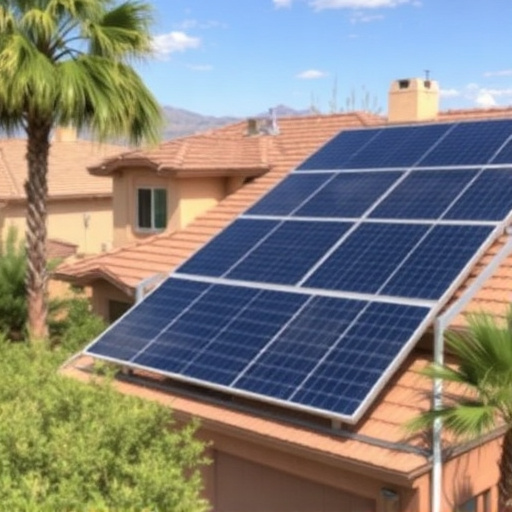
Planning for solar installation in Oro Valley requires a deep understanding of the local Homeowners Association (HOA) rules and regulations. Every Oro Valley home with a roof is part of a community governed by an HOA, which has specific guidelines regarding alterations to common areas and individual properties. Before you invest in solar, it's crucial to know how these rules may impact your project.
The first step in planning roof and solar together is to review your HOA's Covenants, Conditions, and Restrictions (CCRs). These documents outline the association's expectations regarding exterior property modifications, including solar panel installation. Look for clauses related to architectural control, exterior design, and structural integrity. Some HOAs may require prior approval for solar panels, and there might be specific guidelines on the type, size, and placement of the system. The HOA might mandate that solar panels be oriented toward the south for optimal energy production while adhering to the community's aesthetic standards.
Panel removal and reinstallation can be complex, especially if your Oro Valley home has a unique roofing structure. Some HOAs have strict rules about accessing rooftops, and these guidelines can affect the timing and logistics of solar installation. An experienced Oro Valley roof specialist can help navigate these challenges. They understand the local code and HOA requirements, ensuring that your solar panels are installed in compliance with all regulations. By working closely with a roofing contractor who is familiar with the area, you can avoid unexpected delays and ensure your solar project proceeds smoothly.
When planning, consider the rack or mounting system for your solar panels. The HOA might have specific requirements for the type and placement of these systems. If your roof is tiled, the HOA may dictate the type of racking that can be used to ensure the integrity of the tiles. If your home has a patio cover, the HOA could have rules about installing solar panels in these areas. Engaging in open communication with your HOA board and an approved roofing contractor can help you understand and meet all necessary criteria. This collaborative approach ensures your solar project aligns with both community standards and local regulations, resulting in a successful and hassle-free installation.
Assess Your Roof: Prepare for Solar Installation

Before you embark on the journey to go solar, a critical step is assessing your roof. This involves a thorough inspection to ensure your Oro Valley home is ready for the installation of solar panels. The process involves evaluating the condition of your existing roofing, the structure's load-bearing capacity, and potential issues that could affect the performance and longevity of your solar system.
One of the first considerations is the age and condition of your roof. Older roofs may require significant repairs or even a full replacement before solar installation. This is because solar panels need a robust, leak-free base. Inspect for signs of damage, such as cracked or missing tiles, and ensure the underlayment is in good condition. Also, check for adequate ventilation, as proper airflow is essential for managing heat build-up around solar panels. The orientation and layout of your roof play a role too; south-facing slopes receive the most sunlight, making them ideal for solar. However, east or west-facing roofs can still be viable options, depending on your energy needs and local conditions.
Conduit and flashing are integral components of a successful solar installation. These elements ensure the structural integrity of your roof around the solar panels. Conduct a visual check for any signs of wear or damage to these components. Pigeons and other wildlife can also be an issue, so consider the need for critter guards. If you're planning to install a net-metered system, your utility provider may require an inspection to ensure the system meets safety standards.
When assessing your roof for solar, it's crucial to involve a reputable roofing contractor, like DC Roofing of Arizona, who has experience with solar integration. They can provide expert advice tailored to your Oro Valley home. This collaborative process, planning roof and solar together, ensures a seamless transition to clean energy while safeguarding your investment.
Find a Licensed Roofer for Solar Integration

When planning to go solar in Oro Valley, effectively planning roof and solar together is crucial. The integration of solar panels onto an existing or new roof requires careful consideration of several factors, especially when navigating the local Homeowners Association (HOA) rules.
First, consult with a licensed roofer specializing in solar integration. A contractor familiar with Oro Valley regulations and experienced in handling solar installations can provide invaluable guidance. They will assess your roof's condition, structure, and potential for solar, ensuring your system is safe, effective, and compliant with HOA requirements. They can discuss the best placement for solar panels considering sun exposure, shading, and roof access, while also addressing potential issues like critter guards and UV exposure.
The roofer can help you choose the appropriate racking system for your solar panels. These systems support the panels and allow for their adjustment, and they come in various types suited for different roof types, including tile and foam roofs. Properly installed, these racks not only secure the panels but also help maximize energy production by allowing for optimal orientation relative to the sun.
Remember, planning roof and solar together can help avoid costly mistakes, delays, and even fines. A roofing contractor serving Oro Valley and Marana who understands solar integration will ensure your project is a success, providing both solar power savings and a durable, long-lasting roof.
Plan Together: Maximize Solar Efficiency on Your Oro Valley Home
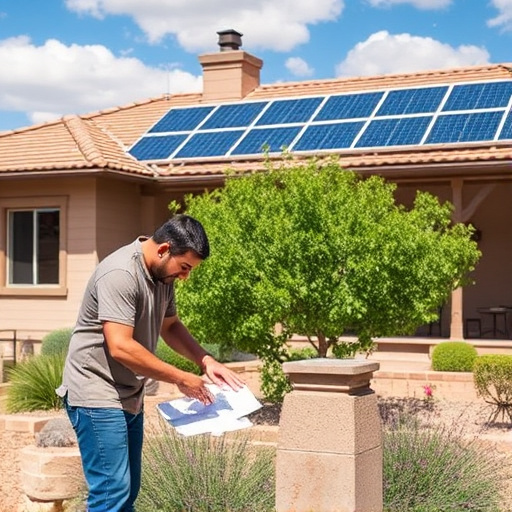
When planning to go solar in Oro Valley, a crucial step is integrating your solar system with your roofing. This symbiotic relationship ensures your solar panels are not just installed, but optimized for efficiency. A licensed Oro Valley area roofing contractor can play a pivotal role here, as they understand the local climate, building codes, and structural integrity.
Consider the impact of environmental factors like hail, which can damage solar panels and their mounting systems. Proper planning can involve selecting robust mounting solutions that withstand such events. A roofing contractor experienced in solar work can recommend and install ballasted mounting systems that use gravel to secure panels, providing a stable and protective layer against extreme weather. When planning roof and solar together, think about panel layout around vents and other structural elements. A well-designed solar array should complement your roof's design and functionality, minimizing the impact on airflow and structural integrity.
Panel removal and conduit management are also key considerations. During roof repairs or replacements, the removal and reinstallation of solar panels must be planned to minimize disruption. A roofing contractor familiar with solar systems will coordinate these processes, ensuring panels are safely stored and the conduit for power is protected. When a roof is replaced, the contractor can plan the timing of panel removal to coincide with the reroofing project, streamlining the process and limiting downtime. This holistic approach to roof and solar integration prioritizes efficiency, safety, and long-term performance, ensuring your Oro Valley home benefits from the full potential of clean energy.
Frequently Asked Questions About advice on HOA rules and planning for solar on Oro Valley homes
What are the specific rules regarding solar panels for homes in Oro Valley?
HOAs in Oro Valley generally have no restrictions on solar panel installation. However, they may require pre-approval for systems larger than a standard rooftop setup. Always check with your HOA board for specific guidelines and any application procedures. DC Roofing of Arizona, a local licensed roofer, recommends submitting detailed plans to ensure a smooth approval process.
Do I need permission from my HOA to install solar panels?
While many HOAs do not have specific prohibitions against solar, it's crucial to confirm their stance. Some associations might have aesthetic or safety concerns, requiring you to demonstrate compliance before installing. A licensed Oro Valley roofer can assist in navigating these processes.
How long does the solar panel installation process take?
Most residential solar installations in Oro Valley are completed within one to two days. This includes removing the old roof (if necessary), installing the solar panels, wiring, and connecting to the grid. The timeline can vary based on the size of the system and the complexity of the roof.
Are there any tax incentives or rebates available for solar panel installation in Oro Valley?
Absolutely. The Arizona Department of Energy offers various incentives and rebates to encourage solar adoption. These may include tax credits, net metering programs, and rebates for system size and efficiency. A roofing contractor familiar with local incentives, like DC Roofing, can guide you through the process and maximize your savings.
What are some common concerns homeowners should address before installing solar?
Key considerations include shading from trees or neighboring structures, roof condition, and local zoning regulations. Shading can significantly impact your solar panel's efficiency. Homeowners should also ensure their roof is in good condition to support the weight of the panels and equipment.
How do I choose a reputable solar installer in Oro Valley?
Look for licensed and insured companies with a proven track record in the Oro Valley area. Online reviews, local recommendations, and certifications from reputable organizations are valuable indicators. DC Roofing of Arizona, for instance, holds several industry certifications and prides itself on customer satisfaction.
As you move forward with planning solar for your Oro Valley home, remember the key takeaways: understanding local HOA rules, assessing your roof's suitability, and finding a qualified roofer are essential first steps. By seamlessly planning roof and solar together, you can ensure your system is not only compliant but also optimized for energy efficiency.
Engage with your community's guidelines, carefully evaluate your roof's condition, and partner with experienced professionals who specialize in solar integration. This comprehensive approach will not only protect your investment but also maximize the benefits of clean, sustainable energy for your Oro Valley home. The future of energy efficiency starts with these foundational steps.
Planning Solar Installation in Oro Valley:
Before going solar, thoroughly understand your Homeowners Association (HOA) rules, as every Oro Valley home is governed by these regulations. Start by reviewing your Covenants, Conditions, and Restrictions (CCRs) for guidelines on exterior modifications, especially solar panel installation. Engage a roofing contractor experienced in solar integration to navigate HOA requirements and ensure compliance.
Assess your roof's condition, age, and structure to determine if repairs or replacements are needed. Consider the orientation and layout of your roof for optimal solar energy capture. Involve a roofing specialist who can guide the planning of roof and solar together, addressing conduit, flashing, critter guards, and racking systems.
When planning, collaborate with a licensed roofer to select the right mounting solutions for your solar panels, ensuring they withstand local environmental conditions. Coordinate panel removal and reinstallation during roof repairs or replacements to minimize disruption. This comprehensive approach ensures your solar project aligns with HOA standards and local regulations, leading to a successful and seamless transition to clean energy.