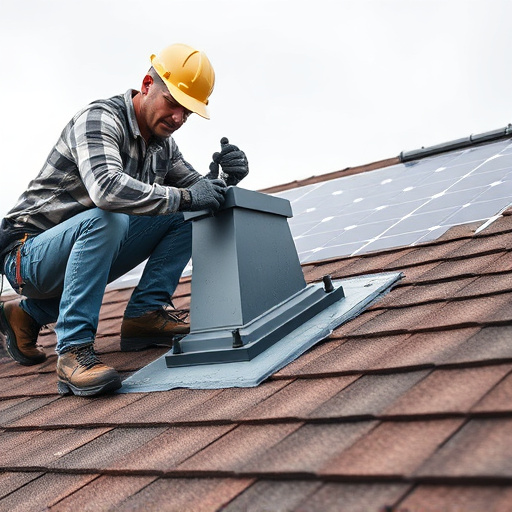
As more homeowners in prep before solar turn to renewable energy, understanding the interplay between solar and roof warranties is crucial. The increasing adoption of solar in Oro Valley has raised questions about how these systems impact roof repairs and replacements, especially for solar mount flashing. This article provides a comprehensive, plain-language guide to navigating these complexities. We'll explore the common issues that arise during roof repairs after solar installation, the best practices for ensuring your roof warranty remains valid, and how to choose a roofing contractor experienced in working with solar systems, like those offered by DC Roofing of Arizona. By the end, you'll have the knowledge to make informed decisions about integrating solar into your home's infrastructure.
- Understanding Solar's Impact on Roof Warranties
- How Solar Mounts Affect Roof Repairs
- Decoding Solar Flashing Requirements
- Maximizing Roof Protection with Solar Integration
Understanding Solar's Impact on Roof Warranties
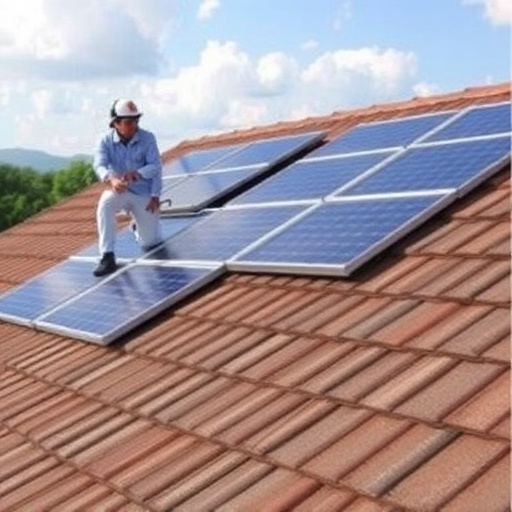
When considering solar for your Oro Valley roof, understanding the impact on your existing warranty is crucial. Solar installations involve specific components, like solar mount flashing, that can affect the longevity and performance of your roofing system. While many homeowners assume solar will void their roof warranty, this isn't always the case. It depends on several factors, including your roof's age, the type of solar system installed, and how well the installation is executed.
Let's break down the interplay between solar and roof warranties. First, consider UV exposure. The sun's powerful rays can degrade roofing materials over time, leading to leaks and other damage. Solar panels, with their reflective surfaces, can intensify this effect, accelerating the natural aging process of your roof. However, a licensed roofing company serving Oro Valley can guide you in choosing solar solutions designed to minimize this impact, such as high-quality, UV-resistant materials and proper solar mount flashing to protect the roof's edges.
Tucson Electric Power and other utility companies often offer incentives for solar installations, which can make the switch economically beneficial. But, these incentives may come with specific terms regarding your roof's condition and warranty. Some programs may require a "like-new" roof condition to ensure the solar system's long-term performance. This means any existing damage or wear may need to be addressed before installing solar, and repairs should be handled by professionals familiar with solar systems.
When planning a solar installation, remember that conduit and wiring for solar panels need to be properly integrated into your roof's existing structure. Poorly executed wiring could compromise your roof's integrity and void warranties. If solar mount flashing isn't installed correctly, it could leave vulnerable areas exposed, increasing the risk of leaks. A local roofing company serving Oro Valley that specializes in solar can ensure these details are handled seamlessly, allowing you to enjoy the benefits of solar while maintaining the strength and protection of your roof.
How Solar Mounts Affect Roof Repairs
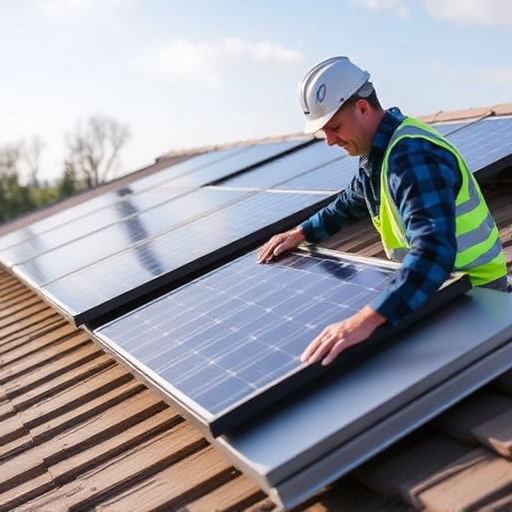
When considering solar for your Oro Valley roof, understanding how solar mounts integrate with your roofing system is crucial. This is especially true for repairs. Let's break down the relationship between solar mount flashing and your roof's longevity, focusing on foam roofs, tile hooks, and racking systems.
Solar mount flashing serves as a vital barrier between the solar panels and the roof's underlayment. While this flashing protects against water intrusion, it's not a replacement for regular roof maintenance. In fact, improperly installed or maintained solar mounts can contribute to future leaks. A poorly sealed solar panel edge on a foam roof could create a weak point over time, leading to water damage beneath. Regular inspections and timely repairs become even more critical when solar is involved. A roofer with an Arizona ROC license will be familiar with these challenges and best practices for addressing them.
When planning repairs, consider the layout of the solar panels. On tile roofs, tile hooks used to secure solar panels should be accessible for maintenance. On flat roofs, the racking system must be designed to allow for safe removal and reinstallation of panels during repairs. A reroofing project might involve removing the solar panels temporarily. Proper reattachment of solar mounts after repairs ensures ongoing protection from the sun and potential damage from extreme weather, like hail or strong winds.
Understanding the interaction between solar mounts and your roofing system is key to maintaining a durable, energy-efficient home. By working with a qualified professional, you can ensure that your solar installation and subsequent repairs work in harmony with your roof, maximizing both its lifespan and its solar energy potential.
Decoding Solar Flashing Requirements
When considering solar for your Oro Valley roof, understanding the interaction between solar components and your roofing system's warranty is crucial. Specifically, decoding solar flashing requirements is essential to ensure your investment is protected. Solar mount flashing, designed to seal the edges where solar panels meet the roof, isn't a one-size-fits-all solution. It must comply with local building codes and your roofing system's specifications.
In our desert heat, where sun and wind can be relentless, proper flashing installation is vital to prevent leaks and early roof deterioration. When a system like Sunpower solar is installed, panel removal for repairs or replacement can be more complex. Not all roofing contractors are equipped to handle the intricate nature of solar work, which is why it's essential to choose a licensed Oro Valley area roofing contractor with experience in solar integrations.
Tucson Electric Power, like many utilities, has specific guidelines regarding solar installations, often requiring proper flashing and sealing to maintain the integrity of the roof and the solar system. These guidelines are in place to protect both the homeowner and the utility company from potential damage and safety risks. If solar panels are installed without adequate flashing, water penetration could damage the electrical components, voiding warranties and leading to costly repairs.
When planning a solar installation, consider the roof's age, material, and existing flashing. A roofing professional can assess your system and determine the best course of action, whether that means repairing existing flashing, replacing it, or incorporating new flashing materials designed for solar applications. By addressing solar flashing requirements upfront, you can ensure a secure, long-lasting, and efficient solar system, maximizing the benefits of clean energy for your Oro Valley home.
Maximizing Roof Protection with Solar Integration
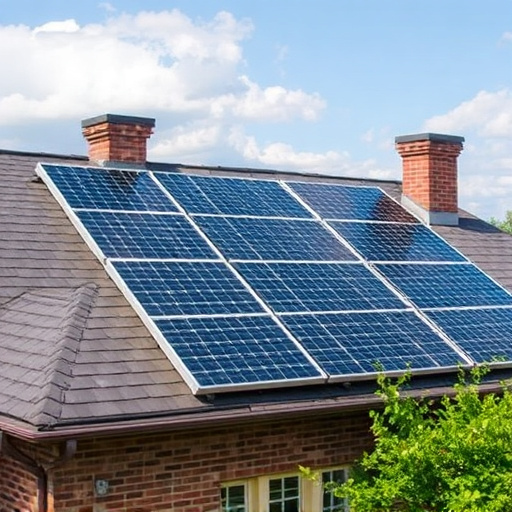
When integrating solar power into your Oro Valley home, one often overlooked aspect is the impact on your roof's warranty and long-term protection. This is particularly crucial in our desert heat, where Sun City's intense sunlight can put added strain on your roof. A licensed Arizona roofer can offer expert guidance on maximizing your roof's lifespan alongside your solar installation.
Solar systems create specific requirements for roof penetrations, from mounting solar panels to installing solar mount flashing around these points. These penetrations, while necessary for solar functionality, can be vulnerable to leaks, especially in older roofs. Therefore, when considering a new solar setup, it's vital to assess your roof's age and condition. If your roof is nearing the end of its life, it may be more cost-effective to replace it with a new, solar-ready roof. This proactive approach not only ensures your solar system is properly secured but also provides a fresh canvas for optimal energy production.
Warranty considerations are a key part of this process. Many solar companies offer comprehensive warranties, but these often exclude roof damage unless the solar installation is specifically designed to protect against it. To avoid potential disputes, understand your solar company's policy regarding roof penetrations and associated repairs. Some providers may require regular inspections to ensure the integrity of solar mount flashing and other roof access points. Proper maintenance, including regular cleaning of solar panels and checking for loose or damaged components, can also prevent leaks and extend your roof's life, especially under the intense Sun City sun.
Consider the impact of solar on your roof's temperature. Solar panels can absorb and retain significant heat, which may affect the surrounding roof area. This is particularly relevant when planning the layout of your solar panels, especially when facing east or west. Proper ventilation and the use of cool roof coatings can help mitigate this effect, reducing the overall heat load on your roof. By integrating these strategies, you can ensure your solar system enhances, rather than compromises, the long-term health of your Oro Valley roof, keeping your home protected for years to come.
Frequently Asked Questions About a Plain Language Look at How Solar Affects Roof Warranties and Repairs
What is the impact of solar panels on a roof warranty? Solar panels can extend the lifespan of your roof, but they may void or affect your warranty if not installed correctly. Many manufacturers void warranties if the roof has been modified, so it's crucial to choose a licensed installer who understands the compatibility of solar systems with your roofing material. Proper installation and regular maintenance can ensure your warranty remains valid.
Do solar panels require special maintenance for roof repairs? Yes, solar panels need extra consideration during roof repairs. You should consult with a roofer experienced in solar installations. They can ensure that repairs don't interfere with panel functionality and are compatible with your system's wiring and components. Regular cleaning and inspections are also vital to maintain optimal performance.
Can I still claim insurance for a roof repair after installing solar panels? Absolutely. Solar panels do not affect your ability to claim insurance for roof repairs. In fact, having solar panels installed can sometimes reduce insurance premiums as they demonstrate a commitment to renewable energy and property improvement. Always review your policy and discuss any changes with your insurer.
How do solar panels affect the cost of roof replacements? Solar panels can offset the cost of roof replacements over time, as they generate electricity, reducing your energy bills. While the upfront cost of installation can be significant, the long-term savings can make it a worthwhile investment. A licensed contractor can help you determine the best time to install solar and replace your roof for maximum efficiency.
Are there any local regulations or restrictions regarding solar panels and roofs? Local building codes and regulations should be considered when planning to install solar panels on your roof. Check with your local building department or a licensed contractor to ensure compliance. Some areas have restrictions on aesthetics, roof load, or the type of solar system allowed, so proper planning is essential.
Can I install solar panels on any type of roof? Not all roofs are suitable for solar panel installation. The ideal roof has a clear, unshaded area with a certain slope and structural integrity. Flat roofs or those with significant shade from nearby trees or structures may not be viable options. A professional assessment can help determine the feasibility of solar panel installation on your specific roof.
As we've explored the intricate relationship between solar installations and roof systems, several key insights emerge. First, understanding how solar impacts roof warranties is crucial. Solar panels and their mounting systems often replace or add to existing roofing materials, potentially voiding traditional warranties. Solar-ready roofing systems in Oro Valley must be carefully planned to ensure compatibility and coverage.
The choice of solar mounts matters in the long-term health of the roof. Properly installed, solar mount flashing can protect against leaks and water damage. However, incorrect or inadequate flashing can lead to problems, particularly in the desert heat. Regular inspection and maintenance become even more critical when solar panels are involved.
Deciphering solar flashing requirements is essential for both homeowners and roofing professionals. While standard flashing rules apply, solar panels introduce unique considerations. Solar panels on tile roofs require specific flashing techniques to ensure water cannot penetrate the tile-to-roof interface. This attention to detail ensures the longevity of the entire system.
To maximize roof protection, homeowners should consider the orientation and layout of solar panels. East and west-facing panels can be particularly beneficial for capturing sunlight while minimizing roof heat. Proper panel placement, along with regular roof care, can extend the life of both the solar system and the roofing materials.
Integrating solar into a roof system requires a nuanced understanding of warranties, repairs, and flashing. By adhering to best practices and working with experienced roofing professionals, Oro Valley residents can harness the power of solar while safeguarding their investment in their homes' roofs.
When considering solar for your Oro Valley roof, understand the complex interplay between solar components and your roofing system's longevity and warranty. Solar mount flashing, crucial for protecting against water intrusion and UV damage, requires careful integration and maintenance. Repairs, especially on older roofs, must address solar-related vulnerabilities. Work with a licensed roofing contractor familiar with solar systems to ensure a harmonious blend of solar energy and roof protection, maximizing both energy efficiency and your roof's lifespan in the harsh desert heat.